How To Fold Golf Push Cart ​(All Explained Clearly)

How To Fold Golf Push Cart

To fold a golf push cart, unlock the central hinge on the frame, push the handle forward and down toward the front wheel, release the handle latch as it passes the folding point, fold the front wheel inward or flat, then collapse the frame until it locks into its compact folded position. While the exact … Read more
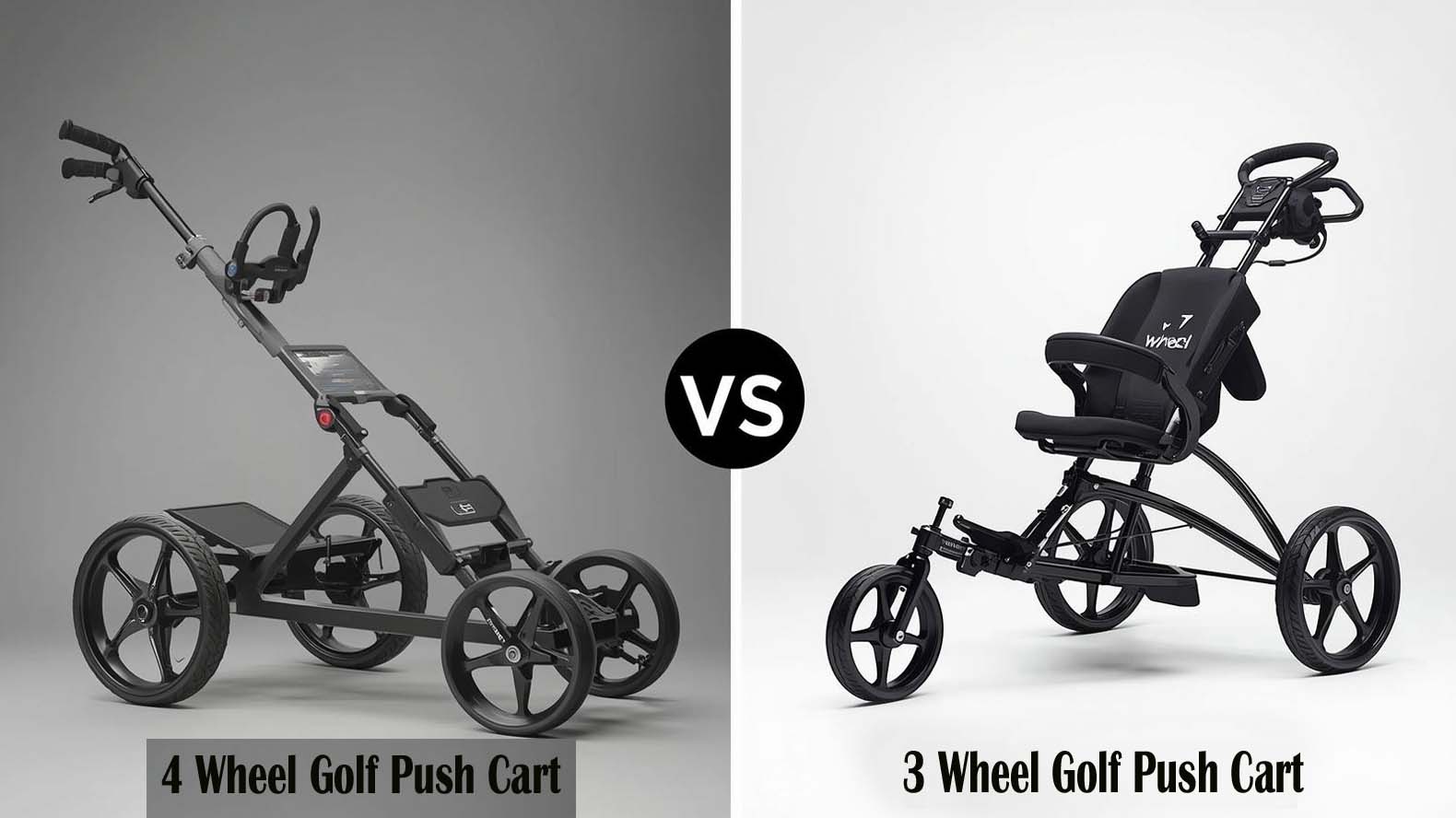
Which is Better 3 or 4 Wheel Golf Push Cart​ | Which One is Better?

Which is Better 3 or 4 Wheel Golf Push Cart

Neither option is universally superior. Choose a 3-wheel push cart for agility and ease of use on flat to moderately rolling courses, and choose a 4-wheel push cart for unmatched stability and balance on hilly, uneven terrain or when carrying heavy bags. Both designs have valid performance strengths when matched to your course conditions and … Read more

How To Fix Brake on Golf Push Cart | Clear Complete Guide

How To Fix Brake on Golf Push Cart

To fix a push cart brake, you most often need to adjust the brake cable tension by removing slack or replacing a worn/frayed cable, ensuring the wheel stops solidly with minimal lever movement. Deeper problems may involve cleaning components or replacing worn brake parts — but start with the Cable and basic tension adjustment. Why … Read more

How Much Does an Electric Golf Cart Weight [You Should Know This]

how much does an electric golf cart weight

An electric golf cart usually weighs between 900 and 1,100 pounds (408–499 kg). However, depending on battery type, seating capacity, frame material, and added accessories, total weight can range from 500–600 lbs for lightweight lithium models to 1,300–1,500+ lbs for large utility or customised carts. This wide variation is why weight should never be judged … Read more

How Far Does a 52 Degree Wedge Go(And Why It Matters)

How Far Does a 52 Degree Wedge Go

The 52-degree wedge exists because modern pitching wedges have become much stronger in loft over the years. What used to be a 48-degree pitching wedge is now often 44–46 degrees, which creates a noticeable yardage gap before the sand wedge. A 52-degree wedge fills that gap perfectly. It is designed to handle approach shots where … Read more

error: Content is protected !!