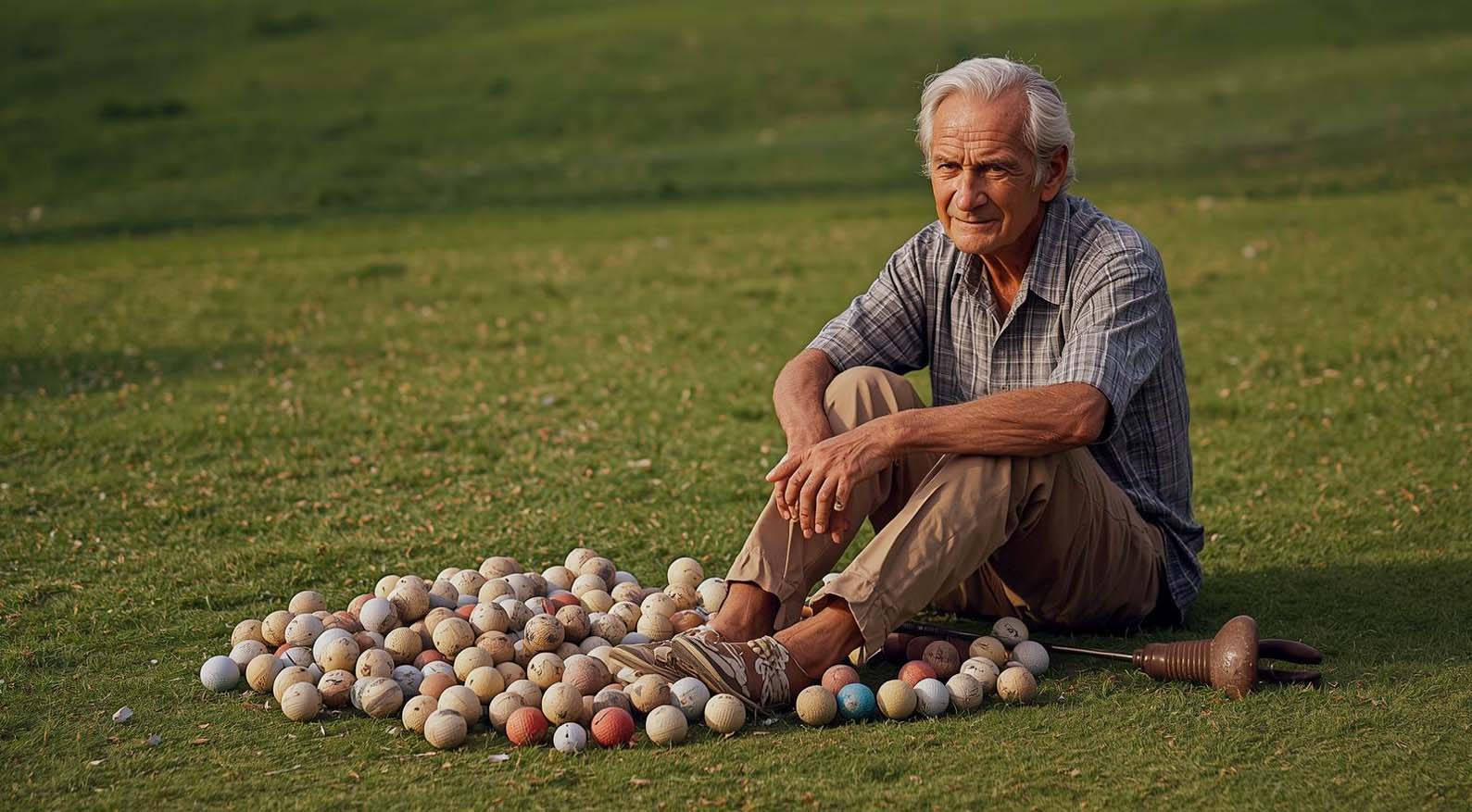
The best way to dispose of old golf balls is to recycle them through dedicated golf-ball recycling programs, donate or sell usable balls to ranges or youth programs, or repurpose damaged balls at home. Please do not throw them in the trash or into nature, because golf balls are not biodegradable and release microplastics and chemicals over time.
Why Golf Ball Disposal Matters More Than People Think?
Old golf balls accumulate quickly. A few in a garage turns into dozens, then hundreds, especially if you have a quality golf cart or collection bins to store them. The issue is that golf balls are made from rubber cores, plastic covers, and complex composite layers that don’t decompose in landfills. They break down extremely slowly—often taking centuries—and release microplastics and toxic elements into soil and water.
Millions of balls are lost or discarded each year. Coastal cleanups and range audits have revealed that submerged golf balls fragment into tiny particles that enter marine ecosystems, something most golfers never consider. Responsible disposal prevents long-term environmental damage and supports sustainability in golf.
Why Golf Balls Can’t Go Into Regular Recycling Bins?
A standard recycling facility cannot break down a golf ball because of its multiple layers, which are fused tightly together. The mixture of rubber, plastic, and chemical binders clogs recycling equipment and doesn’t melt into reusable material the way single-material plastics do.
This complexity is exactly why curbside pickup programs don’t accept them. To recycle a golf ball, specialised machinery must grind or separate layers under industrial pressure. Only a few companies operate this kind of processing.
3. How to Decide Whether a Ball Is Still Playable?
Before disposing of anything, take a moment to inspect each ball. Most golfers don’t realise how many “old” balls are still perfectly usable. Cracked covers, deep scuffs, or balls that feel unusually light indicate internal damage. Balls with only cosmetic marks typically still perform fine for casual practice. Heavily faded logos or minor scratches don’t affect flight much, but a water-logged core will.
A quick test is simply rolling the ball on a flat tile floor. If it wobbles irregularly, the core is compromised, and the ball should be repurposed or recycled. This simple habit can dramatically reduce unnecessary waste.
The Best Ways to Dispose of Old Golf Balls (Ranked by Real Impact)
Specialised Golf Ball Recycling Programs
These programs are the most environmentally responsible option. Unlike general recyclers, they are equipped to grind and separate the layers of a golf ball so the materials can be reused. Some companies send ground rubber for playground surfacing, sports fields, athletic flooring, or acoustic padding. Others refurbish balls for resale after cleaning and grading.
A unique resource many golfers don’t know about is golf-course-based recycling partnerships, in which clubs place dedicated collection bins near the pro shop or range. These partnerships are expanding globally and are not mentioned in most online guides.
Another under-the-radar option is municipal trade-in programs, which some cities quietly support through waste-management departments. These programs accept sports equipment, including golf balls, for industrial upcycling, but they are rarely advertised. Checking with your local waste authority can uncover opportunities most competitors overlook entirely.
Selling or Donating Usable Balls
If a ball still flies straight, it shouldn’t be thrown away. Local driving ranges frequently accept lightly used balls to support their practice inventory. Youth golf programs and school athletic departments are also grateful for donations, as equipment costs can create barriers for new players.
Online marketplaces are another simple outlet. Selling batches of sorted balls—organised by brand or category—can be surprisingly effective. Buyers often include new golfers, artists, DIY builders, and even commercial decorators.
A unique strategy that many people miss is collaborating with indoor golf simulator businesses. These venues often need large quantities of practice-ready golf balls and are willing to buy or accept donations regularly.
Creative and Practical Ways to Repurpose Old Golf Balls
If recycling options are limited, old golf balls still have plenty of value around the house. Gardeners place them at the bottom of pots to improve drainage without adding unnecessary weight. Painters and craft hobbyists use them for decorative projects. Teachers sometimes use cut-open golf balls in science demonstrations to show layered engineering.
Another unique use is turning them into weight inserts for homemade training tools, especially during cold weather when swing muscles stiffen, and golfers practice indoors. People also repurpose them into drawer handles, gate stoppers, and massage tools. These solutions prevent waste while giving old balls new life in unexpected ways.
What You Should Never Do With Old Golf Balls?
Throwing golf balls into lakes or wooded areas is not harmless entertainment. In water, they slowly break down, releasing rubber fragments and chemical coatings. In forests, animals may interact with or ingest pieces, leading to injury or soil pollution.
They should not be added to household trash either. Landfills cannot process them, and they contribute to long-term waste.
Burning golf balls is equally hazardous. They produce toxic fumes when exposed to high heat, making them unsafe for disposal by fire. Always handle them properly by recycling or repurposing instead.
The Hidden Environmental Impact of Abandoned Golf Balls
Research into environmental waste has shown that submerged golf balls discharge microplastics into marine environments. Over time, UV rays, pressure, and water erosion cause the outer shell to crack and flake. These particles spread into the surrounding ecosystem, harming wildlife and contributing to plastic buildup in the ocean.
On land, when golf balls degrade, metals in the core can leach into the soil, especially in wet or acidic conditions. This is another reason responsible disposal is essential to reduce pollution in sensitive areas.
Unique Industry Insight: How the Golf World Is Changing Its Approach
Many modern golf facilities are developing sustainability programs and tracking where lost balls accumulate. Some have begun using specialised retrieval drones for water hazards, reducing long-term environmental damage. Others are transitioning to refurbished balls for practice ranges, reducing excessive new-ball production.
Manufacturers are also experimenting with alternative materials. While fully biodegradable balls aren’t yet a mainstream solution, prototypes exist for limited-environment use. As golfers become more eco-aware, demand for sustainable equipment—along with quality golf cart accessories and environmentally friendly practice balls—will continue to grow.
Step-by-Step Summary: The Right Way to Dispose of Old Balls
Sort your balls into playable and damaged groups. Donate or sell any that are still functional. Bring unusable ones to a specialised recycling partner, or contact your local waste authority for industrial upcycling options they may support but don’t publicly advertise. Repurpose remaining balls at home for gardening, crafts, or indoor training. This simple plan keeps golf balls in circulation longer and dramatically reduces landfill impact.
Conclusion: Sustainable Golf Begins With Simple Choices
Disposing of golf balls responsibly isn’t complicated—it just requires awareness and a few easy habits. Recycling programs, community donations, and repurposing projects ensure old golf balls continue to provide value rather than burden the environment. With small, intentional choices, every golfer can contribute to a cleaner, more sustainable future for the sport.