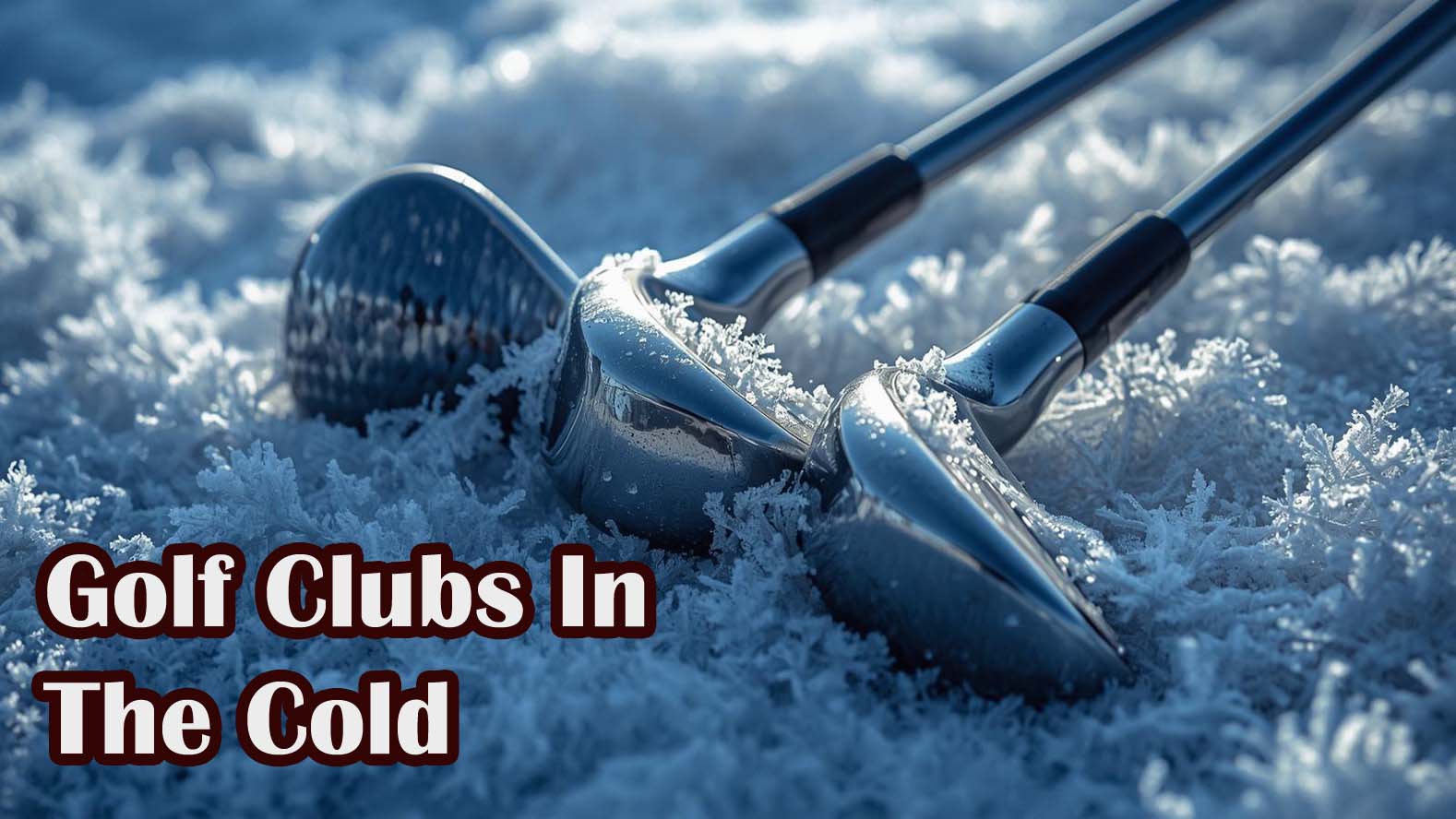
Yes. Leaving golf clubs in the cold for extended periods can damage them. Prolonged exposure to low temperatures—especially when combined with moisture or repeated temperature changes—can damage grips, weaken the epoxy bonding clubheads to shafts, promote rust on steel components, and increase failure risk in graphite shafts. Short exposure is usually fine, but long-term cold storage quietly shortens the life of your clubs and can affect performance.
Why Cold Weather Is a Real Problem for Golf Clubs?
Cold-weather damage doesn’t usually show up dramatically. Clubs rarely snap or crack overnight—instead, cold causes slow material stress that builds over time. Rubber stiffens, adhesives lose flexibility, and moisture creeps into places golfers never see.
The real danger isn’t just cold air—it’s cold combined with humidity and temperature swings, which is why garages and car trunks are far more damaging than people realize.
What “Cold” Actually Means for Golf Equipment?
Cold affects golf equipment differently depending on how low the temperature drops and how long the clubs stay there. A mild cold mainly affects the throat. Freezing temperatures begin to stress materials—deep cold increases structural risk, especially when clubs are later warmed quickly.
What matters most isn’t a single cold night. It’s weeks or months of exposure, especially when clubs move between cold and warm environments. That expansion-and-contraction cycle is where long-term damage begins.
How Cold Weather Damages Golf Clubs? (Component by Component)
Grips: The First Thing to Suffer
Rubber grips are designed to stay soft and tacky within normal playing temperatures. In cold conditions, the rubber contracts and hardens. Over time, this causes permanent loss of feeling.
Cold-stored grips often:
- Feel slick even when dry
- Force a tighter grip pressure
- Develop small cracks that shorten their usable life
This is especially noticeable on lighter setups, including many golf clubs for lady players, where grip softness plays a bigger role in comfort and control.
Epoxy and the Clubhead Bond (The Hidden Weak Point)
Every clubhead is secured to its shaft using epoxy. Cold doesn’t usually make a clubhead fall off right away. Instead, it makes the adhesive brittle. When the club is later warmed, the shaft and head expand faster than the epoxy can adapt.
Over time, this leads to loose heads, inconsistent impact feel, and, in extreme cases, separation. Drivers, fairway woods, and modern multi-material golf putters are the most vulnerable because they rely heavily on strong epoxy bonds.
Shafts: Steel vs Graphite in Cold Conditions
Steel shafts are structurally cold-resistant but highly susceptible to moisture. Condensation can form inside the shaft, leading to internal rust that alters weight and balance.
Graphite shafts behave differently. The resin that holds the fibers together stiffens in freezing temperatures. This doesn’t usually cause immediate breakage, but it reduces the shaft’s ability to absorb stress, making future cracks more likely—especially on mishits.
Cold weather doesn’t usually break shafts by itself. It sets them up to fail later.
Clubfaces and Finishes
Cold temperatures alone rarely crack clubfaces, but finishes tell a different story. Chrome plating and specialized coatings can develop tiny flaws when repeatedly exposed to freezing and moisture. Forged irons tend to react more than cast irons because of their denser grain structure.
Moisture trapped under headcovers accelerates this process, which is why clubs that look protected can still degrade.
Condensation: The Most Overlooked Cause of Damage
Condensation causes more harm than cold air itself. It forms when cold clubs are moved into warm environments, such as bringing clubs from a garage into the house or driving with them after a chilly night.
That moisture settles inside hosels and shafts, where towels and air can’t reach. Over time, it leads to rust, weakened epoxy, and internal corrosion. Many clubs that “look fine” externally are already compromised inside.
Leaving Golf Clubs in the Car: How Risky Is It?
Leaving clubs in a car is one of the most common habits—and one of the most damaging.
One night in a dry, cold trunk usually isn’t a problem. The risk increases when clubs are left for days or weeks, especially when the car is driven regularly. Each drive rapidly warms the trunk, creating endless condensation cycles.
Leaving clubs in a car for an entire winter is one of the fastest ways to shorten their lifespan.
Golf Balls and Cold Weather (Brief but Important)
Cold affects golf balls differently than it does clubs. The rubber core contracts, reducing compression and rebound. That’s why cold balls feel harder and fly shorter.
The difference is that golf balls usually recover once they warm up. Clubs don’t. While extreme freezing can crack balls, most cold-related performance loss in balls is temporary.
Performance Issues Even When Nothing Looks Broken
This is where many golfers get confused. Cold-stored clubs can still cause performance problems even when no visible damage exists.
Common effects include muted feel, inconsistent launch, subtle shaft stiffness changes, and altered grip pressure. Many golfers assume they’re swinging poorly when the real issue is equipment condition.
Putters and wedges tend to reveal this first because feel matters more than raw speed.
Best Practices for Storing Golf Clubs in Cold Weather
The safest option is always indoor storage in a stable environment. A temperature range of 50°F to 85°F, with low humidity, protects all club materials.
Before storing clubs long-term, clean them thoroughly and allow them to dry indoors for several hours. This lets trapped moisture evaporate before it can cause corrosion.
For short-term storage, cold exposure is usually fine as long as the clubs stay dry. For off-season storage, indoor placement is essential.
Common Myths That Lead to Club Damage
Many golfers believe modern equipment is immune to temperature issues. It isn’t. Others assume that if damage didn’t show up immediately, none occurred. In reality, cold-related damage often appears months later.
Professional golfers frequently replace equipment and store their clubs under controlled conditions. Recreational golfers don’t, which makes proper storage far more critical.
How Climate and Location Change the Risk?
Cold weather in a dry climate is less damaging than cold combined with humidity. Coastal regions add salt exposure, while snowy climates extend exposure time. Garages behave very differently depending on ventilation and moisture levels, which is why blanket advice often fails.
Understanding your local climate helps explain why some golfers see damage while others don’t.
When Cold Damage Becomes Expensive?
Preventive care costs almost nothing. Repairs do not. Re-gripping, re-epoxying, shaft replacement, and reduced resale value all add up. In some cases, manufacturers may deny warranty claims if improper storage is suspected.
Most of these costs are avoidable with proper winter storage.
What Club Fitters See Every Spring?
Club repair shops report the same issues every year: loose heads, hardened grips, internal rust, and graphite cracks that “came out of nowhere.” In most cases, the root cause lies in winter storage habits rather than swing flaws.
Final Verdict: Is It Worth the Risk?
No. Leaving golf clubs in the cold for long periods isn’t worth the risk. The damage is gradual, often invisible at first, and expensive later. Indoor storage protects performance, feel, and long-term value—whether you’re storing drivers, irons, golf putters, or golf clubs for lady players.