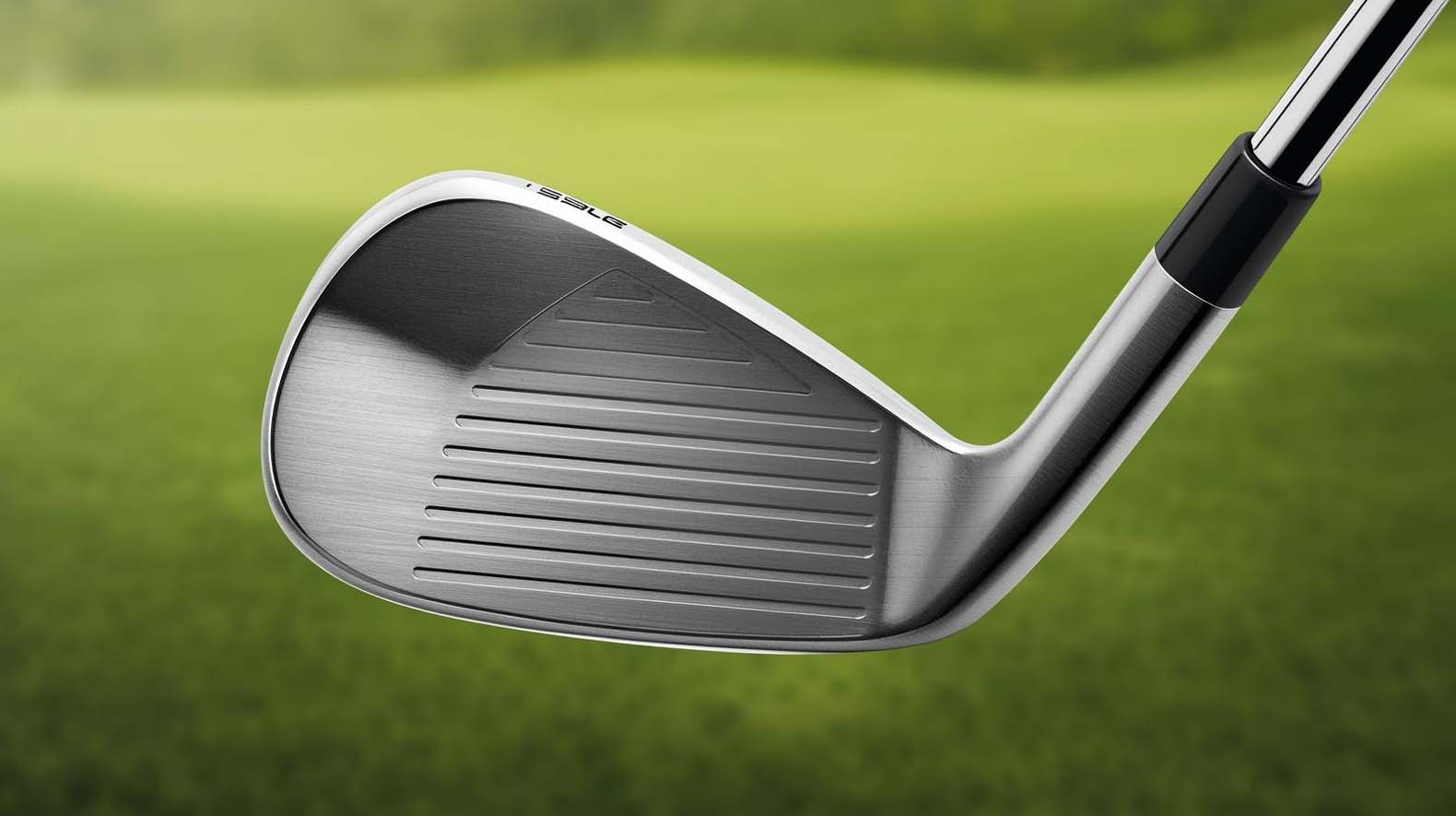
It’s a scoring club designed to fill the distance gap between a Pitching Wedge (PW) and a Sand Wedge (SW). A gap wedge usually has 48–54 degrees of loft and is used for controlled approach shots, partial swings, and short-game shots where a pitching wedge goes too far, and a sand wedge comes up short.
That’s the answer most players are actually searching for—but the real value of a gap wedge goes much deeper.
Why the Gap Wedge Exists (And Why Older Golfers Didn’t Need One)
The gap wedge didn’t become popular because golfers wanted more wedges. It became necessary because iron lofts changed.
Modern pitching wedges are much stronger than they used to be. Decades ago, a pitching wedge was around 48°. Today, many are closer to 43–45°, especially in game-improvement iron sets.
That change created a real scoring problem:
The pitching wedge flies too far, the sand wedge doesn’t fly far enough, and golfers are left guessing on key approach shots.
The gap wedge exists to solve that yardage hole—not to complicate your bag.
Where the Gap Wedge Fits in Your Bag?
A gap wedge sits directly between your PW and SW in both loft and distance.
Typical loft progression:
- Pitching Wedge: 43–46°
- Gap Wedge: 48–52°
- Sand Wedge: 54–56°
For most players, the gap wedge covers 80–110 yards, depending on swing speed and loft. That distance shows up constantly on the course, especially on par-4 approaches and par-5 layups.
Gap Wedge vs Pitching Wedge vs Sand Wedge (Real Differences)
These clubs may look similar, but they’re designed for very different jobs.
- Pitching Wedge: Lower flight, more rollout, best for full swings from longer distances
- Gap Wedge: Balanced flight and spin, predictable carry, built for precision
- Sand Wedge: High launch, soft landings, designed for bunkers and short pitches
The gap wedge isn’t a “mini sand wedge.” It’s a control club.
What Is a Gap Wedge Used For? (Shots You’ll Actually Face)
Golfers don’t lose strokes on perfect yardages—they lose them on in-between numbers.
A gap wedge is ideal for:
- Full swings inside 100 yards
- Controlled approaches to the firm greens
- Chips where a pitching wedge runs too much
- Short pitches where a sand wedge flies too high
If you’ve ever thought, “This feels like too much club or not enough,” that’s a gap wedge situation.
Why the Gap Wedge Is a Scoring Club (Not a Backup Option)
Many amateurs rely on feel when they shouldn’t—and guesswork costs strokes.
A gap wedge gives you:
- A repeatable swing for awkward distances
- More consistent carry numbers
- Less need for risky half-swings under pressure
Tour players obsess over wedge gapping for a reason: most scoring happens inside 120 yards.
Is a Gap Wedge the Same as an Approach Wedge or Attack Wedge?
Yes—in function, not always in name.
Manufacturers may label it as:
- GW (Gap Wedge)
- AW (Approach Wedge)
- UW (Utility Wedge)
- Attack Wedge
The label doesn’t matter. The loft does.
Always check the degree number stamped on the targeted golf club.
How to Choose the Right Gap Wedge?
The best gap wedge is the one that fits your existing set.
Simple rules:
- Keep a 4–6° loft gap between wedges
- Match your pitching wedge first, not your sand wedge
- If your PW is 44°, a 48–50° gap wedge usually fits best
Set-matching wedges blend well for full swings, while speciality wedges add more spin and versatility around the greens.
Do Beginners Need a Gap Wedge? (Straight Answer)
Yes, often more than advanced players.
A gap wedge helps beginners by:
- Reducing the need for partial swings
- Simplifying short-game decisions
- Building confidence on approach shots
Skipping a gap wedge usually creates more problems than it solves.
Common Gap Wedge Mistakes Golfers Make
Most issues come from misunderstanding the club.
Common mistakes include choosing by name rather than loft, carrying uneven distance gaps, or never practising full wedged swings. A gap wedge only works if you know your yardage with it.
Quick Summary: Why the Gap Wedge Matters
A gap wedge is used to address a modern equipment problem. It fills the space between your pitching wedge and sand wedge, giving you reliable distance control where most scoring opportunities live.
If you care about consistency, confidence, and lower scores, a properly fit gap wedge isn’t optional—it’s essential.
1. Bounce Matters More Than Loft (Most Golfers Ignore This)
Competitor articles obsess over loft, but bounce quietly determines how usable your gap wedge really is.
- Low bounce (4–6°): Best for firm turf, tight lies, and clean ball strikers
- Mid bounce (7–10°): Ideal for most amateurs and mixed course conditions
- High bounce (10°+): Helps steep swingers and soft turf players
Two gap wedges with the same loft can perform very differently, solely based on bounce. This is why some golfers “hate” their gap wedge without knowing why.
Pro takeaway: If you play mostly fairway shots with your GW, mid-bounce is usually the safest choice.
2. Tour Players Don’t Guess With a Gap Wedge—They Dial It In
One thing top-ranking competitor content skips: how seriously elite players treat this club.
On Tour, players know:
- Full swing distance
- ¾ swing distance
- Knockdown distance
That’s often three stock yardages from one gap wedge. Amateurs usually only know one or none.
Simple upgrade: Spend one range session mapping just your gap wedge distances. You’ll save strokes immediately without changing your swing.
3. Why Many Amateurs Hit Their Gap Wedge Too High
A common issue in fitting data: golfers unintentionally add loft.
Causes include:
- The ball is too far forward
- Trying to “help” the ball into the air
- Excessive wrist flip at impact
This turns the gap wedge into a floaty, inconsistent club—closer to a sand wedge.
Fix: Play the ball slightly back of centre and make a confident, descending strike. The club is designed to launch on its own.
4. Set Gap Wedge vs Speciality Gap Wedge: Which Is Actually Better?
Most articles say “it depends” and move on. Here’s the real difference competitors avoid explaining clearly:
- Set-matching gap wedges
- More forgiving
- Better for full swings
- Distance control over spin
- Speciality gap wedges
- More spin and face control
- Better for touch shots and creativity
- Less forgiving on full swings
Truth: If you mostly hit full shots with your GW, set-matching usually performs better. If you use it around the greens often, speciality wedges shine.
5. The Hidden Reason Golfers Still Struggle Inside 100 Yards
Even with a gap wedge in the bag, many golfers don’t improve because they:
- Never practice full wedge swings
- Guess yardages instead of measuring
- Avoid the club under pressure
Your gap wedge only becomes a scoring weapon when it’s treated like a primary club, not a backup option.
Frequently Asked Questions
What loft is a gap wedge?
Most gap wedges range from 48 to 54 degrees, depending on the set.
Is a gap wedge the same as an approach wedge?
Yes. The name varies by manufacturer, but the purpose is the same.
How far should I hit a gap wedge?
Most golfers hit it 80–110 yards, depending on swing speed and loft.
Can I chip with a gap wedge?
Absolutely. It’s ideal when a pitching wedge rolls too much and a sand wedge flies too high.
Conclusion
So, what is a GW wedge in golf? Simply put, it’s the club that brings logic and control back to your short game. As modern pitching wedges fly farther and sand wedges stay specialised for bunkers and high shots, the gap wedge steps in to handle those awkward yardages where guessing usually costs strokes.
It delivers predictable distance, controlled flight, and confidence on approach shots inside 100 yards—where scoring truly happens. Whether you’re a beginner trying to simplify your game or an experienced player fine-tuning wedge gapping, a properly fit gap wedge turns uncertainty into consistency. It helps you play smarter, not harder.