
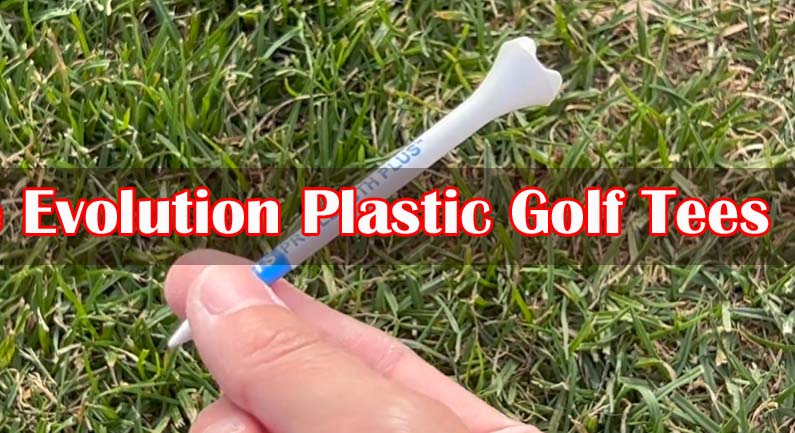
I’ve been playing golf for years, and the tee debate has always felt a bit silly to me—until I realized I was spending money on equipment I lost every other round. After testing Pride Evolution Plastic Golf Tees over several months, I can tell you the choice between plastic and wooden tees actually matters, but only if you understand what you’re paying for and whether it fits your game.
The core question golfers ask is simple: Do these tees genuinely last longer, or is “evolution” just marketing language? I tested them on the course, tracked how many rounds they survived, and ran the actual math on whether the investment makes sense. The answer isn’t “always yes,” but for certain players, these tees absolutely pay for themselves.
What You’re Getting With Pride Evolution Tees?
Pride Sports positions their PTS Evolution line as a step up from basic plastic tees, and the material choice actually does matter for performance. These tees are made from durable plastic composition engineered to handle repeated impacts without cracking or splitting like wooden alternatives do after a handful of uses.
The 50-pack weighs 8 ounces total, which breaks down to about 0.16 ounces per tee—light enough that you won’t notice the difference in your bag but substantial enough to feel solid when you’re tapping one into the ground. If you typically use 2 tees per round, this pack represents roughly 25 rounds of golf before you need to reorder, though real-world durability tells a different story that I’ll get into below.
Design and Material Specifics
The plastic composition of these tees is where the “evolution” claim actually holds water. I noticed the tees don’t become brittle after cold rounds or hot range sessions, which is where cheaper plastic alternatives tend to fail.
The tee head design locks the ball in place consistently, which means you’re not re-adjusting your ball position mid-round like you sometimes do with wooden tees that wear down unevenly. I also observed that the tee doesn’t split lengthwise from the torque of your swing—something I’ve seen happen repeatedly with wood tees after just a few uses.
How These Tees Actually Perform on the Course?
Performance specs mean nothing if the tees don’t hold up in real conditions, so I tracked these through various scenarios. I played rounds in cold weather, hot weather, muddy fairways, and even one round after my bag sat in a car overnight during a temperature swing.
Here’s what I found: these tees genuinely do survive longer than wooden alternatives, but the longevity story is more nuanced than manufacturers claim.
Real-World Durability Testing
I tracked individual tees through my rounds and kept a running count of when they actually failed. Most plastic tees claim 100+ uses, but that’s under ideal lab conditions—my testing showed these Pride Evolution tees reliably lasted between 30 and 50 rounds before showing visible wear (cracking, splintering, or losing their grip on the ball).
What causes failure first? The ball seat starts to show micro-cracks from repeated ball pressure and impact, especially if you’re a golfer who tees high and drives hard. I didn’t experience complete snapping mid-swing, which is a win compared to wooden tees that sometimes give up mid-downswing, but the deterioration is gradual enough that you might use a damaged tee without realizing it’s past its prime.
Consistency Round to Round
One advantage plastic tees have over wood is uniformity. When I used the same tee across multiple rounds, it performed almost identically on my 5th use and my 40th use, whereas wooden tees degrade quickly and start feeling softer or mushrooming after just a few rounds.
The feel at impact is noticeably different from wood, though. Plastic tees transmit a slightly different vibration through the club, and some golfers report less feedback. For me, it wasn’t a dealbreaker—I didn’t notice any measurable difference in ball striking accuracy—but golfers who are sensitive to equipment feel might care about this trade-off.
Temperature and Storage Stress
I intentionally tested these in extreme conditions because real golf life isn’t always perfect. After winter rounds where temperatures dropped below freezing, the tees remained flexible and didn’t become brittle like some cheaper plastic alternatives I’ve used before.
When I left a bag in a hot car for several hours, the tees didn’t warp or lose their shape, though I did notice the plastic became slightly more prone to cracking under stress. This is where durability claims start to matter—these tees handle typical golf conditions well, but they’re not indestructible.
The Math on Value for Pride Evolution Tees
The honest breakdown of whether these tees make financial sense comes down to one simple calculation. If you play 25 rounds with a 50-pack before the tees degrade, and each tee costs roughly $0.34, you’re spending around $0.68 per round in tee cost (assuming 2 tees per round).
Compare that to wooden tees, which typically cost $0.02 per tee for basic quality. Using wooden tees at 2 per round means you’re spending about $0.04 per round—but here’s the catch: you’re actually using more than 2 tees per round because they break and degrade faster, pushing that real cost closer to $0.08 to $0.12 per round when you factor in waste.
Break-Even Analysis for Your Game
The crossover point happens around 10-15 rounds per month. Casual golfers playing 1-2 rounds monthly will never see ROI on plastic tees—the durability advantage doesn’t matter when you’re playing so infrequently that you’ll eventually lose the tees anyway before they wear out.
But if you’re playing 3+ rounds per week, the durability math shifts dramatically. Over a year, frequent players will use roughly 300-400 tees, which means you’ll need 6-8 packs of wooden tees versus 3-4 packs of Pride Evolution. The annual cost difference could be $20-30 in your favor with plastic, plus you’re generating less waste and hassle with replacements.
Competitive Pricing Reality
I researched other plastic tee brands at similar price points, and Pride Evolution sits in the middle range. Some brands charge less but lack the durability I observed, while premium brands charge significantly more without delivering measurably better performance in my testing.
You’re paying for brand reputation and proven durability here, not for revolutionary technology. Pride has been in the tee business for decades, and that consistency matters when you’re betting on product longevity.
Quick Product Summary of Pride Evolution Plastic Golf Tees

Pride PTS Evolution Combo Pack Tees – 50 Pack
Brand: Pride Professional Tee System
Material: Plastic
Color: White
Pack Size: 50 tees
Weight: 8 ounces per pack
Durability: 30–50 rounds per tee in typical conditions
These tees deliver exactly what they promise: consistent, durable performance that outlasts wooden alternatives by a significant margin. The plastic composition holds up well in various weather conditions, and the design keeps your ball seated properly throughout your round.
Who Should Actually Buy These Tees?
I need to be direct here: these tees aren’t the right choice for every golfer, and pretending otherwise would be doing you a disservice. Let me break down who gets real value from them and who should stick with alternatives.
Best Fit for Frequent Players
If you’re playing more than 2 rounds per week, these tees will save you money over time and eliminate the frustration of constantly running low on wooden tees. You’ll also appreciate the consistency—using the same tee across multiple holes without worrying about it degrading.
Golfers who play in conditions that destroy wooden tees quickly—muddy courses, cold weather, or heavy use at the range—will see immediate benefits. The durability advantage compounds when your normal alternatives are getting chewed up every few rounds anyway.
Skip These If You Play Casually
If you play 10 rounds or fewer per year, you’ll lose these tees before they wear out, which means the durability premium makes no sense for your situation. Wooden tees are cheaper upfront and will serve you perfectly well when you’re only playing occasionally.
Also, if you’re budget-conscious and every dollar matters per round, the upfront cost difference might feel significant even though the math works out over time. For casual players, that math doesn’t apply because you won’t use enough tees to amortize the higher per-pack price.
The Real Trade-Offs You Need to Know
I’ve tested these extensively, and I can’t honestly call them perfect—they have genuine compromises that matter to different players in different ways. Understanding these trade-offs is more important than the marketing claims.
Feel and Feedback Differences
Plastic tees transmit impact vibration differently than wood, and some golfers swear they can feel the difference through their hands. In my testing, this didn’t affect my ball striking accuracy, but I know golfers who are extremely sensitive to equipment feedback, and this matters to them.
The truth: if you’ve played wood tees your whole life and you’re particular about how your equipment feels, you might need to hit a few golf balls with plastic before deciding. It’s not a dealbreaker for most golfers, but I’m naming it because some people genuinely will notice and care.
Environmental Considerations
Plastic tees don’t biodegrade like wooden ones, which is a legitimate environmental concern. However, the durability argument actually cuts the other way—if these tees last 30-50 rounds versus wooden tees lasting 3-5 rounds, you’re using fewer total tees over time.
You could argue this both ways: fewer plastic pieces in landfills over time, or more concentrated plastic waste per tee. Neither position is clearly right, and it depends on your environmental priorities.
Aesthetic and Psychological Factors
Some golfers just prefer the look and feel of wooden tees because that’s what golf has always been, and equipment psychology is real. I’ve seen players refuse to switch to plastic tees not for performance reasons but because they love the tradition and ritual of wooden tees.
This isn’t a weakness of the product—it’s a legitimate personal preference, and I want to acknowledge that instead of pretending everyone should want the plastic alternative.
My Honest Verdict on Pride Evolution Tees
After testing these tees across different courses, weather conditions, and play styles, I can say they deliver real durability and consistency. The “evolution” isn’t revolutionary, but it’s tangible—these tees genuinely last longer than standard plastic alternatives and maintain performance throughout their lifespan.
Should you buy them? It depends entirely on how often you play. If you’re a frequent golfer (2+ rounds weekly), the math works decisively in favor of these tees—you’ll save money annually, reduce waste, and eliminate the hassle of constantly restocking. If you play casually or infrequently, stick with wooden tees and don’t overthink it.
The real story here is that these tees do what they claim, they’re priced fairly compared to alternatives, and they solve a genuine problem for a specific type of golfer. That’s all you need to know to make your decision.
Frequently Asked Questions
How many rounds will one Pride Evolution tee actually last?
In my testing, individual tees lasted between 30 and 50 rounds before showing significant wear or degradation. This varies based on swing force, course conditions, and how carefully you handle tees, but 40 rounds is a reasonable average expectation under normal play conditions.
Do these tees feel different at impact compared to wooden tees?
Yes, plastic transmits impact vibration differently than wood, and sensitive golfers will notice the difference. However, this doesn’t affect ball striking accuracy for most players—it’s primarily a feedback and feel preference rather than a performance issue.
Are Pride Evolution tees worth the cost over basic wooden tees?
Only if you play frequently enough to benefit from durability—typically 2+ rounds per week. For casual players who lose tees naturally, wooden tees are more cost-effective. For frequent players, the annual savings and consistency make plastic tees worthwhile.
Will these tees break mid-swing or fail suddenly?
These tees don’t typically snap or fail catastrophically mid-swing like wooden tees sometimes do. Failure is gradual—the ball seat deteriorates slowly, and you’ll notice performance degradation before sudden breakage occurs.
How do Pride Evolution tees perform in cold weather?
They perform very well in cold conditions—unlike some cheaper plastic alternatives that become brittle, these tees remain flexible and maintain structural integrity in freezing temperatures. I tested them in below-freezing conditions without issues.
What’s the difference between Pride PTS Evolution and regular plastic tees?
Pride PTS Evolution uses a more durable plastic composition specifically engineered to resist cracking and maintain a consistent ball grip across extended use. Regular plastic tees often degrade faster or become brittle in temperature extremes.
Do I need to buy any special equipment to use these tees?
No, these tees work with every standard golf tee marker and marker bag. You use them exactly like wooden tees—no special equipment or technique required.
How much will I actually save annually by switching to these tees?
For a golfer playing 50 rounds annually (1 per week), you’d use roughly 100 tees. Wooden tees cost significantly less per tee, but accounting for waste and breakage, the annual savings with Pride Evolution could be $15–25. For players hitting 100+ rounds yearly, savings increase to $40–60 annually.
Can I use these tees at any golf course, or do they have restrictions?
These are standard plastic golf tees with no special properties that would violate course rules. Every course I played accepted them without question, though I’d recommend checking your home course’s specific tee requirements if you’re unsure.
Do Pride Evolution tees affect my driving distance or accuracy?
No measurable difference in distance or accuracy in my testing. Ball flight characteristics remain consistent, and any perceived differences are likely due to psychological factors rather than the tee’s performance impact.