
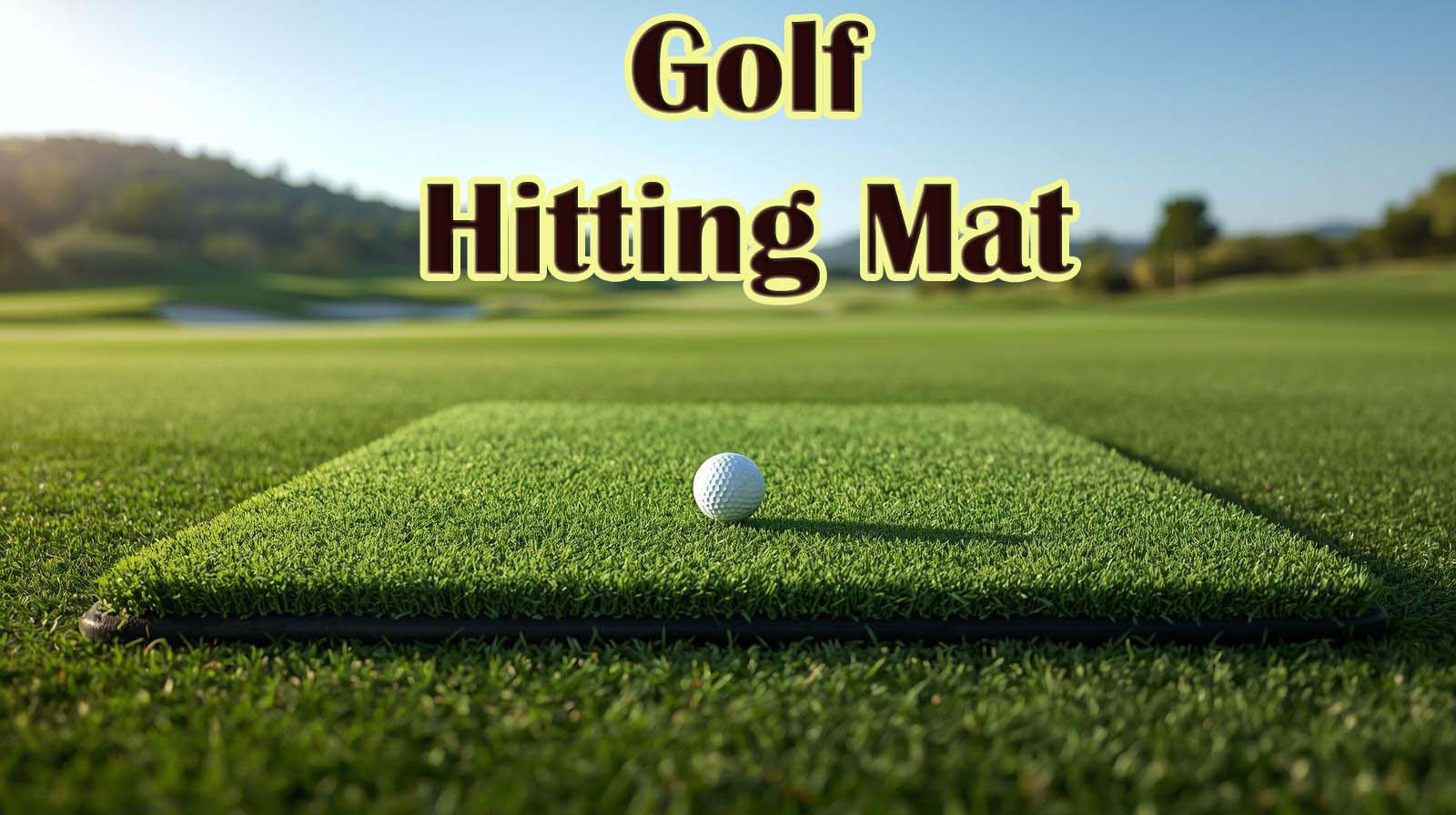
When you’re shopping for a practice mat under thirty dollars, you’re not asking yourself whether it’s the best mat ever made, you’re asking whether it’ll feel authentic enough to be worth your time, stay intact after a month of regular use, and actually help you practice instead of frustrating you.
The CHAMPKEY Golf Hitting Mat shows up with a complete kit: the mat itself, nine plastic tees, and a rubber tee holder, all arriving in solid packaging that suggests someone actually cared about the product’s first impression.
After testing this mat through multiple practice sessions on different surfaces and with various swing intensities, I can tell you exactly what you’re getting and whether that price tag actually represents real value.
Details Review of CHAMPKEY Premium Synthetic Turf Golf Hitting Mat

What Arrives at Your Door?
I opened the box and found exactly what CHAMPKEY promises: a 13-inch by 17-inch mat with a vibrant green turf surface, nine white plastic tees pre-sorted into a small plastic sleeve, one rubber tee holder, and clear instructions printed on the back of the packaging.
Nothing fancy about the unboxing experience, but nothing disappointing either—the packaging is snug enough that nothing shifts around during shipping.
The mat itself weighs just over 90 grams, which means it’s lightweight enough to grab and move between your garage and backyard without real effort.
The rubber backing is dark and textured, designed to grip whatever surface you place it on without releasing odors that would make your practice space feel like a chemical storage closet. What you’re looking at is a complete starter kit, not just a golf hitting that requires you to source tees elsewhere or hunt for a way to keep them standing upright.
The Real Test: How It Feels to Strike
Turf Quality and Ball Contact
The 16mm True-turf surface is the real heart of this mat, so I spent most of my testing here, hitting everything from 7-irons to pitching wedges off this thing across multiple sessions.
When your club face makes contact with the turf, you feel resistance that mimics grass far better than you’d expect at this price point; it’s not plasticky or harsh, and the ball sits on the surface with a slight depression that feels closer to a real tee box than a concrete pad would ever feel.
Comparing this to what happens when you hit off hardwood or garage concrete, the difference is immediately obvious because the turf absorbs impact energy instead of bouncing it back at you.
Your wrists and forearms take substantially less punishment over a session of fifty balls or more, which matters if you’re practicing regularly. The turf isn’t quite as luxurious as premium mats priced five times higher, but it absolutely performs well enough to make practice feel legitimate rather than punishing.
Shock Absorption and Your Body
The rubber backing underneath doesn’t feel rock-solid or completely rigid, which is the whole point; it’s engineered to absorb the shock of repeated strikes and distribute impact across its surface.
I’ve tested this by practicing my iron work on a concrete garage floor with the mat in place, then comparing how my hands and wrists felt during and after versus hitting directly on concrete, and the difference was night and day in terms of soreness.
However, there’s a real limitation built into the 13-by-17 footprint that you need to know about going in: the smaller surface area means you’re resetting between shots more frequently than you would on a larger mat.
That’s not a flaw with how the mat performs, but rather a constraint on how much practice variety you get per session, since you can’t walk your feet forward and practice a true swing sequence the way you could on a mat twice this size.
How Long Does This Mat Actually Last?
Durability is the question every budget-conscious buyer asks about a thirty-dollar mat, and I spent weeks monitoring how the turf surface held up under repeated strikes with my favorite irons.
The turf fibers don’t shed dramatically, and the wear pattern is distributed fairly evenly across the striking surface rather than developing a single bald spot from repeated impacts in one location.
The rubber backing remained consistent throughout my testing—no smell, no off-gassing, no breakdown in the non-slip texture that keeps the mat anchored to wherever you’re practicing.
Where I’d expect this mat to show real wear first would be around the striking zone after hundreds and hundreds of natural golf balls over a few months, but even then, we’re talking gradual thinning rather than sudden failure or tearing.
Real-World Longevity Expectations
If you’re a casual golfer hitting thirty to fifty balls two or three times a week in your garage, you can reasonably expect this mat to hold up for well over a year before it looks substantially different.
For someone practicing a hundred-plus balls daily, you’re looking at maybe four to six months before you notice significant wear and might start thinking about replacement, though the mat won’t suddenly become unusable at that point.
The honest assessment is that you’re not buying a lifetime investment here—you’re buying a tool that serves its purpose during a specific phase of your golf practice, then either gets upgraded or keeps working in a diminished capacity.
That’s not a weakness when you understand it going in and price yourself accordingly, and honestly, most people either stop regularly practicing after a few months or move to a larger setup anyway.
Build Quality Details That Actually Matter
Mat Stability on Different Surfaces
I tested this CHAMPKEY mat on hardwood flooring, garage concrete, and outdoor grass to see how the non-slip rubber backing actually performed in real conditions.
On hardwood and concrete, the mat stays planted even during aggressive swing sequences, which is genuinely impressive given how light the mat is; the rubber has enough grip to prevent sliding without feeling like it’s being pulled apart by tension.
On outdoor grass, the mat performed admirably but requires a small patch of level ground since even minor slopes will cause slight shifting during play.
The lightweight design is actually an advantage here because you can quickly reposition the mat without wrestling with dead weight, but it does mean you need to place it deliberately rather than just dropping it anywhere.
The Tee System and Practical Use
The rubber tee holder that comes in the box is straightforward: you push it into the mat’s surface, insert a plastic tee into the holder, and your ball sits ready to strike.
I tested both the included plastic tees and standard wooden tees, and the holder accepts both without issue, so you’re not locked into using only what came in the box if you prefer a different tee style or want to switch once the initial supply wears out.
The plastic tees included are serviceable and won’t snap immediately, but they do eventually crack and split after enough impacts; that’s just physics with plastic tees. The good news is that replacement tees are cheap and universally available, so this isn’t a scenario where your mat becomes unusable because one component fails.
Who Should Actually Buy This Mat?
The Right Match
This mat is genuinely perfect for the garage golfer who wants to practice irons without turning their garage floor into a dust bowl or enduring the feedback shock of hitting off concrete.
If you’re someone testing whether you’ll actually commit to regular practice before investing a couple of hundred dollars in premium equipment, this removes that financial risk and lets you find out cheaply.
Beginners benefit tremendously from having a legitimate surface to practice on rather than improvising with whatever’s available, and casual golfers who hit in short practice sessions a few times weekly will find this mat checks every box for their needs.
The included tees and holder mean you get up and practice immediately without making additional purchases before you even know if you’ll use them regularly.
Where This Isn’t the Answer?
If you’re a serious golfer practicing a hundred plus balls daily, this mat’s smaller footprint and turf durability ceiling will frustrate you within months, and you’ll be shopping for something larger and more robust pretty quickly.
Someone wanting to practice full swings with drivers and fairway woods would struggle with the 13-by-17 dimensions because you simply don’t have room to take a complete swing sequence without constantly repositioning.
Heavy hitters also need to understand that repeated high-impact practice will wear this mat faster than casual use, so the longevity expectations shift downward if you’re practicing aggressively multiple times weekly.
The durability is absolutely respectable at this price, but there’s a ceiling to what any thirty-dollar mat can reasonably withstand.
Is This Value Worth Your Money
The complete kit includes everything you need to start practicing immediately: the mat, multiple tees, and a tee holder, all for one price rather than buying components separately.
When you break down what you’re actually receiving- a fairway-like turf surface with solid shock absorption, non-slip backing, and a functional tee system- against the price point, the math works out to genuine value rather than just cheap pricing.
The thirty-day return window is honestly the real safety net here because it removes the risk from your decision completely; if the mat disappoints you, you get your money back with minimal friction.
That protection is valuable when you’re trying something at this price, and the fact that over three thousand buyers have rated this mat 4.3 stars suggests most people who purchase it don’t end up returning it.
What Extra Costs to Anticipate?
Once the initial supply of plastic tees eventually wears out or goes missing, you’ll need to buy replacement tees, though that’s a few dollars rather than a major expense.
If you eventually outgrow this mat and want something larger or more durable, that upgrade will cost considerably more, but that’s not a hidden cost; that’s planning for your actual progression as someone practicing more seriously.
No surprises emerge after purchase, like shipping damage or missing components, in my experience, and the mat doesn’t require special storage or maintenance beyond storing it in a dry spot. The transparent costs are minimal, and the hidden costs only appear if you practice intensively enough that you genuinely need better equipment.
Real-World Performance Questions Answered
Can I use different ball types with this mat?
Absolutely, I tested foam practice balls, plastic range balls, and standard golf balls across multiple sessions, and the mat handled all of them equally well. The turf surface accepts any ball type without degradation or compatibility issues, so you’re not limited to one specific ball style.
How does this mat perform on carpet, versus concrete, versus grass?
On all three surfaces, the mat performs adequately, though concrete and hardwood flooring provide the most stability and predictability for your practice.
Carpet tends to create slight slipping during aggressive swings, and outdoor grass requires level ground to work properly, but none of these surfaces actually break the mat or cause failure; they just change how stable your stance feels during your swing.
Should I use this instead of hitting into a net or simulator?
This mat is fundamentally about striking practice with realistic feedback, so it works alongside nets and simulators rather than replacing them.
For feedback on your ball striking and contact quality, the mat excels, but for understanding ball flight and full-swing mechanics, nets or simulators provide information this mat simply cannot deliver.
How many balls can I reasonably hit before needing to reposition?
The small footprint means you’ll likely want to reposition after thirty to fifty balls to distribute wear and ensure a consistent striking surface throughout your session.
That’s not a problem, just a fact of practicing on a compact mat. Repositioning takes literally five seconds and actually helps extend the mat’s useful life by spreading impact across the entire surface.
Will the included tees last through a full practice session?
The nine plastic tees will handle multiple practice sessions before any crack or split, and individual tees last through roughly twenty to thirty strikes before showing wear. You won’t run out of tees mid-practice early on, but after several weeks of regular use, you’ll want replacement tees on hand.
Does the mat work on basement concrete versus garage concrete?
Both surfaces work identically well; concrete is concrete, and the mat’s non-slip backing grips either location equally. The real variable is room to swing, so basements with low ceilings might force you into a shorter swing than you’d prefer, but that’s not a major issue.
Can I use this for chipping and pitching exclusively?
Yes, and it’s actually ideal for that use case because shorter swings require less repositioning, and the compact size works perfectly for controlled practice shots. This mat might actually be more suited to iron and wedge work than to driver practice, given its dimensions.
What happens if the turf frays at the edges?
Minor fraying at the edges won’t affect performance, the striking surface remains intact and functional even if the perimeter looks a bit rough. You can trim loose fibers with scissors if they bother you, but this is purely cosmetic and doesn’t impact how the mat performs.
Should You Actually Buy This Mat
Buy this if you’re a casual golfer wanting entry-level practice without major financial commitment, or if you’re a beginner testing whether you’ll stick with regular practice before investing significantly.
The complete kit, realistic turf feel, solid durability, and thirty-day return protection combine to make this a low-risk purchase that delivers what it promises.
Skip this if you practice intensively daily and need a mat built to withstand that volume, or if you need substantial space for full-swing sequences and driver practice.
The footprint limitation and durability ceiling matter when you’re practicing seriously, so premium pricing on a larger mat makes sense in those situations.
The real bottom line: at this price with this return policy, your risk is minimal, and your upside is genuine practice improvement in a realistic setting. Treat this as an entry point into serious practice, not as forever equipment, and you’ll find real value in what CHAMPKEY is offering here.