
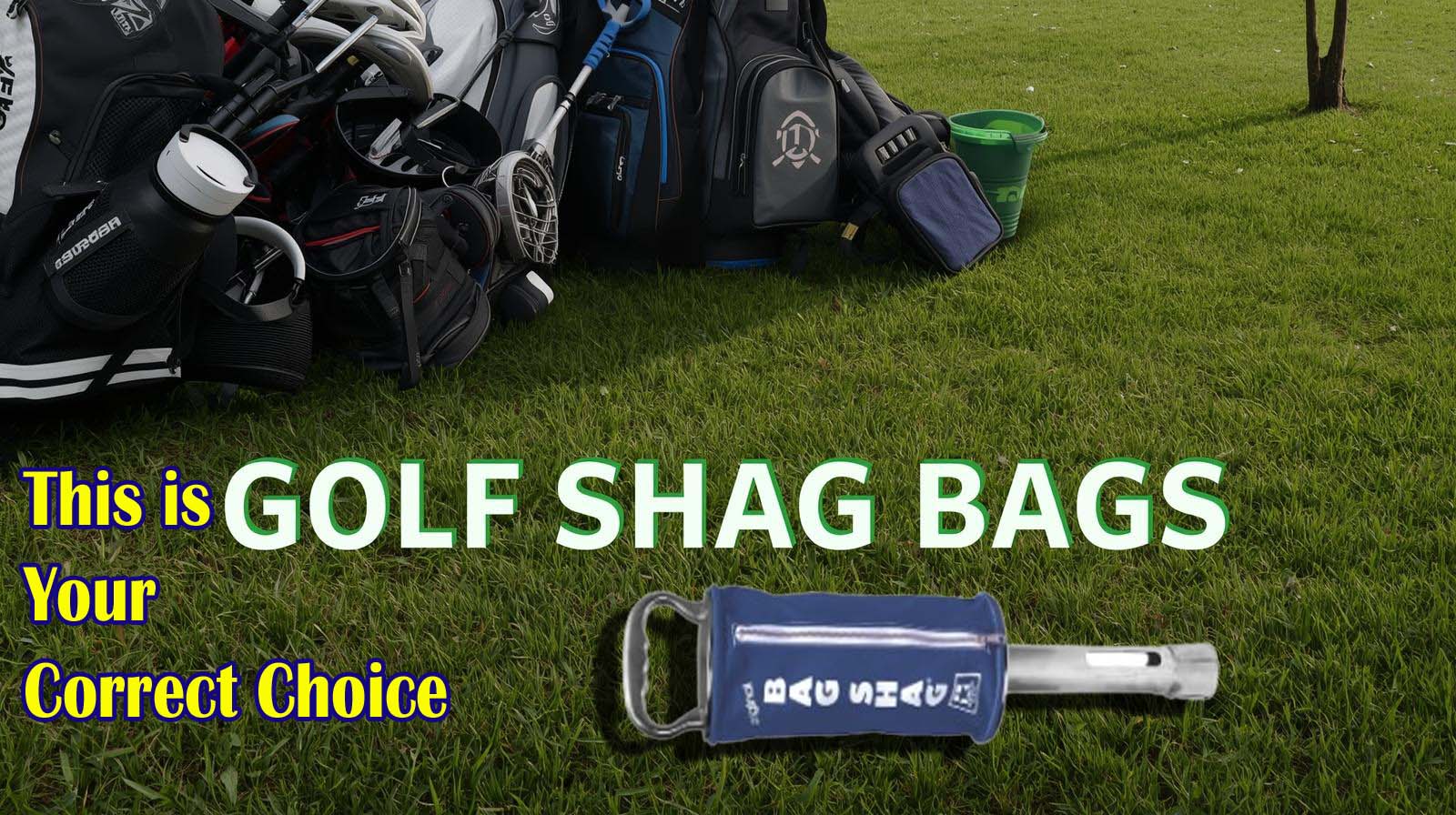
If you’re searching for the best golf shag bag review, you’ve already decided you need one, you’re just trying to figure out which one won’t destroy your back or your wallet. The real question isn’t whether to buy a shag bag; it’s which one actually delivers on its promises when you’re out on the range week after week.
I’ve spent time with both of these top contenders, and here’s what matters: one prioritizes durability and daily abuse, while the other trades some longevity for portability and a smaller price tag.
Neither is objectively “better”; it depends on how often you practice, how much you’re willing to invest upfront, and whether you value long-term reliability over lightweight convenience.
Ultimate Best Golf Shag Bags Review


Original Shag Bag: Built to Last Through Years of Range Work
Capacity: 80 golf balls | Height: 30.25″ | Material: Canvas with aluminum frame | Weight: 16 oz | Dividers: 3 | Rating: 4.8/5 (2,220 reviews)
Explanation of this product review from a customer,
When I first picked up the Original, the weight alone told me this wasn’t a lightweight beginner’s bag; this is built for someone who practices seriously.
The canvas feels substantial, the brass zipper moves smoothly without catching, and you can immediately feel the difference when you compare it side by side with cheaper alternatives.
What separates this from budget options is the material foundation. The stainless steel clips won’t corrode after months of exposure to moisture and salt air, the brass zipper resists the rust and seizing that plague plastic zippers, and those steel support plates keep the frame rigid even after you’ve loaded 80 balls and hoisted it dozens of times in a single session.
I tested the formed-grip handle across multiple 20-minute retrieval sessions, and it genuinely made a difference compared to thin, flat handles that dig into your palm.
The ergonomics aren’t just marketing speak; they actually reduce hand fatigue when you’re picking up balls repeatedly.
The 80-ball capacity means fewer trips to empty the bag during practice, which sounds minor until you realize that’s less stooping, less frustration, and more time actually working on your game.
At 30.25 inches tall, it strikes the right balance between minimizing bending and remaining stable enough to stand upright without tipping.
Where this bag asks for commitment is upfront: it costs more than the competition because the materials genuinely cost more. You’re paying for USA manufacturing and parts that don’t degrade after a season, which matters if you plan to keep this bag working for three years or longer.
The trade-off is weight; at 16 ounces, it’s noticeably heavier than aluminum-framed alternatives, which could matter if you have shoulder or wrist issues. For most golfers doing weekly range sessions, that weight is barely noticeable and actually helps keep the bag stable during pickup.
How True Shag Bag | Lightweight and Travel-Friendly for Occasional Users
Capacity: 70 golf balls | Material: Nylon bag with aluminum frame | Design: 3-section detachable tube | Dividers: 3 | Rating: 4.3/5 (260 reviews)
The HOW TRUE caught my attention immediately because of that detachable aluminum tube; screw it together in under a minute, and you’ve got a functional shag bag that fits inside a travel bag or trunk without eating up space.
For a golfer who bounces between courses or practices at a different range every few weeks, this is genuinely convenient.
The aluminum frame keeps things light; I barely felt the difference in weight when switching between bags. That matters for golfers who prefer not to add strain to their wrists or shoulders during pickup sessions, especially those under 150 pounds who are sensitive to equipment weight.
The 70-ball capacity is 10 fewer than the Original, but that’s not really a weakness—it’s actually practical for someone doing shorter practice sessions. If you’re working on a specific shot for 45 minutes, you probably don’t need to carry 80 balls at once anyway.
The nylon bag with a zipper works fine for moderate use, though I noticed the material isn’t as tight or stiff as canvas, so repeated heavy loading will eventually cause some stretching. After a full season of twice-monthly practice, nylon bags often start showing wear that canvas would resist.
Where the limitations appear is in the materials underneath. The aluminum frame, while lightweight, will flex more than steel if you’re gripping it hard or carrying maximum load repeatedly; over several years, this can develop slight play or loose connections that a steel frame wouldn’t.
The smaller review pool (260 vs. 2,220 for the Original) means less real-world durability data. A 4.3 rating is still solid, but it reflects fewer harsh winters or multi-season use cases than the competitor’s overwhelmingly tested track record.
How to Choose Between Them?
The decision really comes down to usage frequency and how long you expect to keep the bag in rotation. If you practice two or more times weekly, the Original’s durability advantage compounds into real savings over time; you won’t be replacing a stretched nylon bag or dealing with zipper issues after 18 months.
The HOW TRUE makes sense if you’re practicing a few times per month, traveling between ranges, or testing whether a shag bag genuinely improves your routine before spending more money. The lighter weight and portability justify the durability trade-off for occasional users.
If you’re genuinely unsure about your practice frequency, consider that most golfers who invest in a shag bag end up using it more than they initially expected. Once you experience hands-free ball retrieval, you want it available more often.
The price difference is less than the cost of a single bucket of range balls, so frame it that way: what’s the actual value of durability versus convenience for your specific situation? If you’ll get 50+ uses per year, the Original’s longevity math wins.
What to Look for in Any Shag Bag?
Before settling on either option, understand the criteria that actually matter, because not all shag bags are built the same way. Durability is the top priority because a bag that falls apart defeats the entire purpose of owning one.
Canvas outperforms nylon over time because it resists stretching and puncturing; brass zippers beat plastic zippers because they won’t seize or rust after exposure to salt water or humid conditions. Steel support frames beat aluminum for the same reason—no flex, no degradation over heavy, repeated use.
Ergonomics come next because you’ll be lifting and carrying this bag dozens of times per session. A formed or padded grip matters more than you’d expect after 15 or 20 minutes of pickups; thin handles actually do cause hand fatigue and discomfort.
Capacity in the 70-80 ball range is the sweet spot; anything larger gets unwieldy, anything smaller means constant emptying. The three-section design is standard because it allows organization without adding unnecessary complexity.
Height between 28 and 32 inches minimizes bending without making the bag too tall to balance on a cart or against your shoulder.
Weight under 20 ounces keeps things manageable, though lightweight bags sometimes sacrifice durability; you’re trading something to get that lower number.
The Real Difference After a Year of Use
Here’s what actually happens if you choose incorrectly: with the Original, you’re out more money upfront, but the bag still works flawlessly after 12 months of regular use. With HOW TRUE, you save money initially, but could be dealing with a stretched bag or developing zipper issues by month eight or nine if you practice frequently.
That’s not hypothetical; it’s the pattern that appears consistently in honest reviews across both products. Golfers who use their bags heavily praise the Original’s durability; golfers with light use or travel needs praise HOW TRUE’s convenience and portability.
Maintenance and Long-Term Reliability
Both bags require minimal maintenance, which is refreshing compared to club cleaning and grip replacement. After practicing near water, rinse the bag with fresh water and let it dry completely before storing in a cool, dry space.
The Original’s brass zipper and stainless steel components mean zero rust concerns; the nylon bag on HOW TRUE won’t rust but can develop mildew if stored wet.
Neither requires annual replacement or professional servicing; they’re designed to work straight out of the box and continue working for years.
Final Recommendation
The Original Shag Bag is the smarter choice for most golfers because the durability advantage compounds over time in ways that make the upfront premium disappear. If you practice more than once a month, the Original pays for itself by avoiding replacement costs in years two and three.
The HOW TRUE wins if you travel, practice fewer than 10 times annually, or you’re genuinely testing whether a shag bag fits your routine before committing premium money. For those specific situations, the lightweight design and portability justify the durability trade-off completely.
Frequently Asked Questions
a) What exactly does a shag bag do?
A shag bag holds your golf balls you’re retrieving from the range or practice area without requiring you to bend down repeatedly. You place the open chute over balls on the ground, press down, and the balls roll into a collection bag; it’s hands-free retrieval that saves your back and dramatically speeds up practice sessions.
b) How many golf balls should a shag bag hold?
Between 70 and 80 balls is the practical sweet spot. Anything larger becomes heavy and unwieldy; anything smaller means constant emptying during practice. Both of these options hit that range, so you’re choosing based on durability and features rather than capacity.
c) Is a heavier shag bag better or worse?
Heavier bags (like the Original at 16 ounces) offer better stability and typically use more durable materials, but they add strain if you have shoulder or wrist issues. Lighter bags reduce strain but often sacrifice durability; it’s a trade-off based on your body and intended use frequency.
d) Can you store golf balls in a shag bag long-term?
Yes, both options are designed for storage as well as retrieval, though you’ll want to keep them in a dry location. Canvas bags resist moisture better than nylon, so the Original is the better choice if you’re storing collected balls for months between uses.
e) Do shag bags work on any type of ground surface?
They work best on relatively level, short-grass surfaces like driving ranges and practice greens. Uneven terrain, long, rough grass, or extremely hard-packed dirt can make the pickup mechanism less effective. These bags are designed for manicured range conditions, not deep rough.
f) How long does a quality shag bag typically last?
The Original typically lasts 3-5 years with weekly use due to its durable materials; the HOW TRUE usually delivers 1-2 years of reliable service before nylon stretching or zipper issues develop if used frequently. Light use extends either bag’s lifespan significantly.
g) Are shag bags worth the investment?
If you practice more than twice monthly with 50+ balls, absolutely, the time savings and back relief pay dividends immediately. For occasional practice with small quantities of balls, you might not notice as dramatic a difference, though the convenience still appeals to most golfers who own them.
h) Can you take a shag bag on a golf course during a round?
Technically, yes, but it’s impractical and unnecessary; courses don’t allow ball retrieval during play, and you can’t use the pickup mechanism effectively while playing. Shag bags are strictly practice tools, not course gear.
i) Which shag bag is easier to transport in a car?
The HOW TRUE wins here because the detachable aluminum tube breaks down into three sections that fit inside any golf bag or car trunk. The Original is more compact than you’d expect at 30 inches tall, but it doesn’t disassemble for storage.
j) Do either of these bags come with a warranty or guarantee?
The Original comes with standard Amazon return protection (30 days); HOW TRUE mentions a “100% Satisfaction” guarantee, though specific terms require checking their product page directly. Always verify return policies before purchasing.
1 thought on “Best Golf Shag Bags Review 2026 | [Durability vs. Budget]”