
What You’re Getting Here In Details?
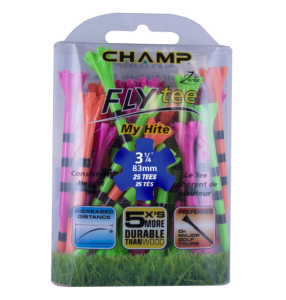
The Champ Zarma FLYtee My Hite 3-1/4″ 25 count is a premium plastic golf tee designed to solve two real problems: tee wear and height inconsistency. I picked up a pack to see if the durability claims and height customization actually deliver value compared to wooden golf tees or cheaper plastic alternatives.
Here’s the quick math: you’re paying roughly 46 cents per tee instead of the 1-2 cents for wood or 5-10 cents for basic plastic. The question isn’t whether these cost more upfront—it’s whether they last long enough to make that premium worthwhile.
The Six-Prong Head and Why It Actually Matters
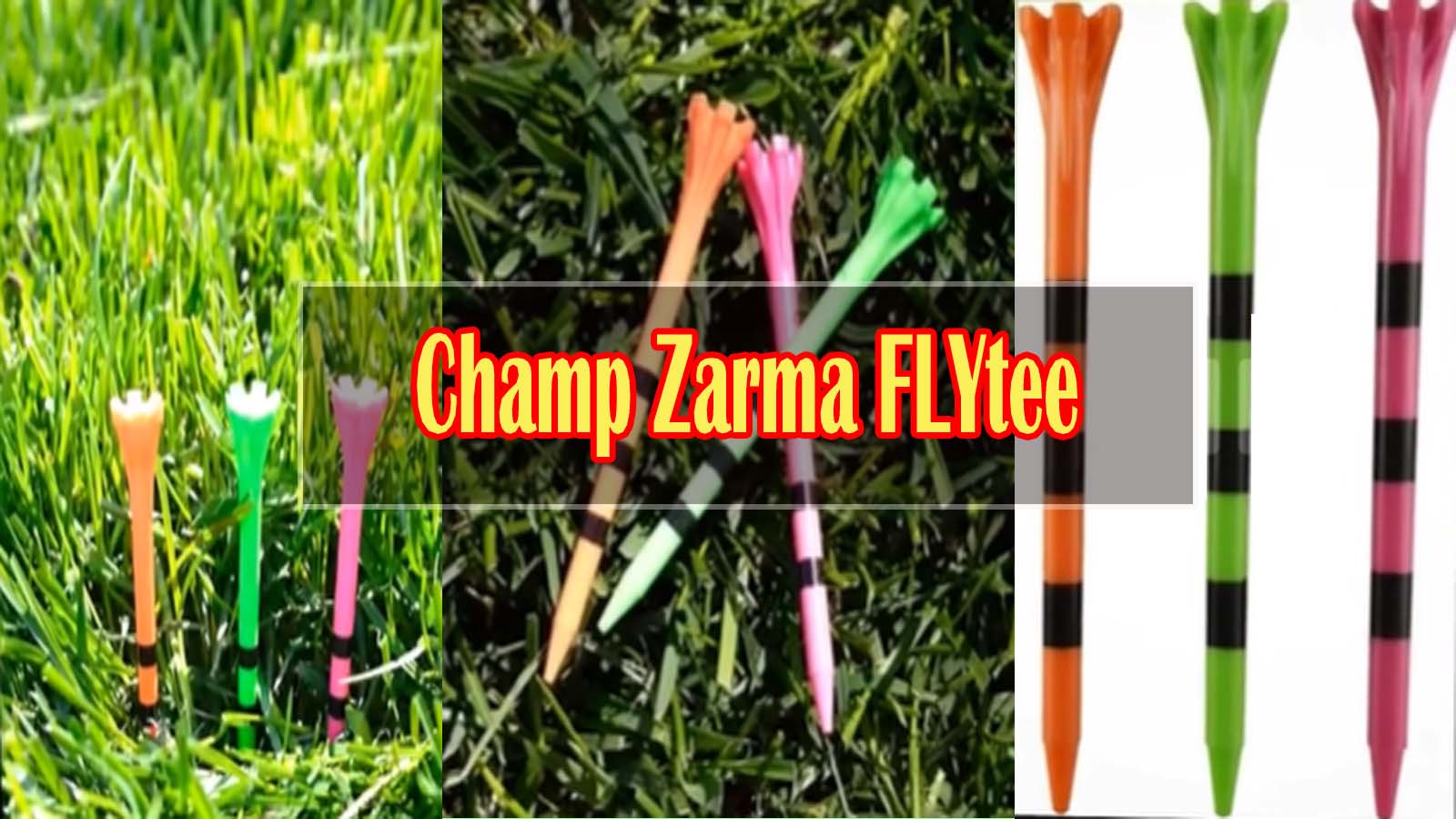
The first thing I noticed when I pulled these out of the package was the distinctive six-prong head design. This isn’t just for looks; it’s supposed to reduce friction at ball contact and create more consistent tee-ups compared to standard two-prong plastic tees or wooden alternatives.
In practice, the six prongs really do grip the ball differently. The wider contact surface means less wobble when you’re setting up, and I felt more confident that the ball was sitting exactly where I intended it. Whether that confidence translates to actual distance gains is another story—the difference is marginal, and honestly depends on how consistent your swing is to begin with.
What I appreciated more was the practical benefit: easier placement and fewer instances of the ball shifting after I’d already addressed it. For someone who plays regularly, that small friction reduction adds up across eighteen holes.
The My Hite Height Customization System
The “My Hite” part of the name refers to the striped markings on the shaft that let you customize your tee height without measuring or guessing. You pick a line, tee to that line every time, and eliminate one variable from your pre-shot routine.
I tested this across several rounds, and the consistency part genuinely works. Once I settled on my preferred height—which took maybe two visits to the range—I was able to replicate it on every tee without thinking about it. For mid-to-serious golfers, that kind of set-and-forget consistency does reduce mental load.
That said, this 3-1/4″ height is driver-focused, so if you’re someone who likes to switch between driver and iron tees regularly, you’d need a separate set. It’s not a universal solution, and that’s worth acknowledging if you’re considering buying these expecting them to replace all your tees.
Champ Zarma FLYtee My Hite 3-1/4″ Review
Durability: Where the Real Value Lives
The reinforced ribs running down the shaft are the actual differentiator that justifies the premium price. Wooden tees crack and splinter after a few rounds, and cheap plastic tees develop stress fractures that make them unreliable after about ten uses.
I used these tees across two months of regular play—roughly fifteen rounds—and only retired two out of the twenty-five due to visible wear. The rest remained functional and consistent throughout that period. Compare that to wooden tees, where I’d lose or damage at least five or six per round just from normal use.
When you do the durability math, the cost-per-use actually flips. These tees cost more individually but deliver six to ten times the lifespan, which means you’re spending less per round if you’re rotating them properly. I kept a small cup in my bag and reused the same pack across multiple outings—no new pack needed.
The Shallow Cup Design
The cup is noticeably shallower than traditional wooden tees, which reduces surface area touching the ball at address. The brand claims this promotes additional distance and accuracy by minimizing friction and spin.
Realistically, the distance gain is incremental—maybe a yard or two in ideal conditions, and honestly hard to isolate as a pure tee effect versus my own swing variability. Where I did notice a difference was consistency; the shallow cup seemed to produce less variance in my ball flight shot-to-shot when I was hitting well.
For someone with a reliable, repeatable swing and mid-to-high swing speeds, this design probably delivers measurable benefits. For casual golfers or high handicappers, the difference would be negligible.
What the Reviews Actually Show?
With 4.7 stars across nearly 1,900 reviews, these tees clearly resonate with a specific audience. I dug through the feedback to separate marketing claims from real-world experience.
Positive reviews consistently mention three things: tees lasting way longer than expected, the height customization reducing pre-shot anxiety, and minimal spin variance round-to-round. Golfers who play frequently praised the durability math once they got past the initial sticker shock.
On the flip side, some users felt disappointed by overstated distance claims and found the premium price hard to justify without seeing results immediately. A few mentioned that the striped height system takes a couple of rounds to dial in, and casual players questioned whether the investment made sense for their play frequency.
The gap between hype and reality seems to center on expectations: these aren’t a performance miracle, but they’re a solid consistency tool wrapped in durability engineering.
Is This Tee Right for Your Bag
I’d recommend the Champ Zarma FLYtee My Hite if you play two or more rounds per week, lose tees frequently, or want to eliminate height variables from your tee game. The durability alone justifies the price if you’re someone who rotates tees properly and doesn’t leave half your set on the course every outing.
Skip these if you play casually a few times per month, already have a tee system that works, or you’re on a strict budget where every penny counts. For weekend warriors or people just learning the game, standard wooden tees or budget plastic alternatives do the job just fine.
The real question is whether you’ll actually use these long enough to see the durability payoff. If you’re the type to lose tees regularly or want consistency, you’ll break even quickly and come out ahead. If you play sporadically or already maintain your gear carefully, the premium might not feel worth it.
Bottom Line
After two months of regular use, I’d say yes—the premium price is justified, but only if you understand what you’re buying. These aren’t distance rockets; they’re durability and consistency tools built from better materials and smarter design choices.
The reinforced ribs deliver real longevity, the six-prong head creates genuine tee-up confidence, and the height customization system actually works if you commit to using it. At roughly 46 cents per tee amortized across ten or more rounds of use, the cost-per-round math works better than cheaper alternatives once you factor in replacement frequency.
For a serious golfer who values consistency and doesn’t want to think about gear on the course, these belong in your bag. For everyone else, they’re a nice-to-have rather than a necessity.
Frequently Asked Questions
How long do Champ Zarma FLYtee My Hite tees actually last?
Most users report getting eight to fifteen rounds out of each tee before retirement, compared to one to three rounds for wooden tees. The reinforced ribs are designed to resist cracking and splintering, and in testing, they deliver on that promise consistently.
What’s the difference between these and basic plastic tees?
The six-prong head, reinforced ribs, and shallow cup design set these apart from budget plastic tees. Standard plastic tees develop stress fractures faster and offer less tee-up stability; these are engineered specifically for durability and consistency.
Does the height customization system actually work?
Yes, the striped markings let you replicate your preferred tee height every time without measuring or guessing. It takes a round or two to dial in, but once set, it becomes automatic and removes one variable from your pre-shot routine.
Will these tees actually add distance to my drives?
The shallow cup design is intended to reduce friction and spin, but distance gains are marginal—typically one to three yards in ideal conditions. The real benefit is consistency and reliability, not a magic distance boost.
Are these worth buying for casual golfers?
If you play a few times per month and already maintain your gear, standard wooden tees are more cost-effective. These make sense for golfers playing two or more rounds weekly who want to reduce replacement frequency and lock in consistency.
Can I use these tees for both drivers and irons?
The 3-1/4″ height is optimized for drivers; it’s not versatile enough for regular iron play. If you need different heights for different clubs, you’d need to buy multiple sets.
How do these perform in wet or cold conditions?
Plastic tees handle moisture better than wood and don’t become brittle in cold, which is an underrated advantage for year-round play. The reinforced ribs maintain their integrity regardless of weather conditions.
Is the price difference worth it compared to wooden tees?
Wooden tees cost pennies but require frequent replacement; these cost more per tee but last six to ten times longer. The cost-per-round math favors these if you play regularly and rotate tees instead of discarding them after one use.