
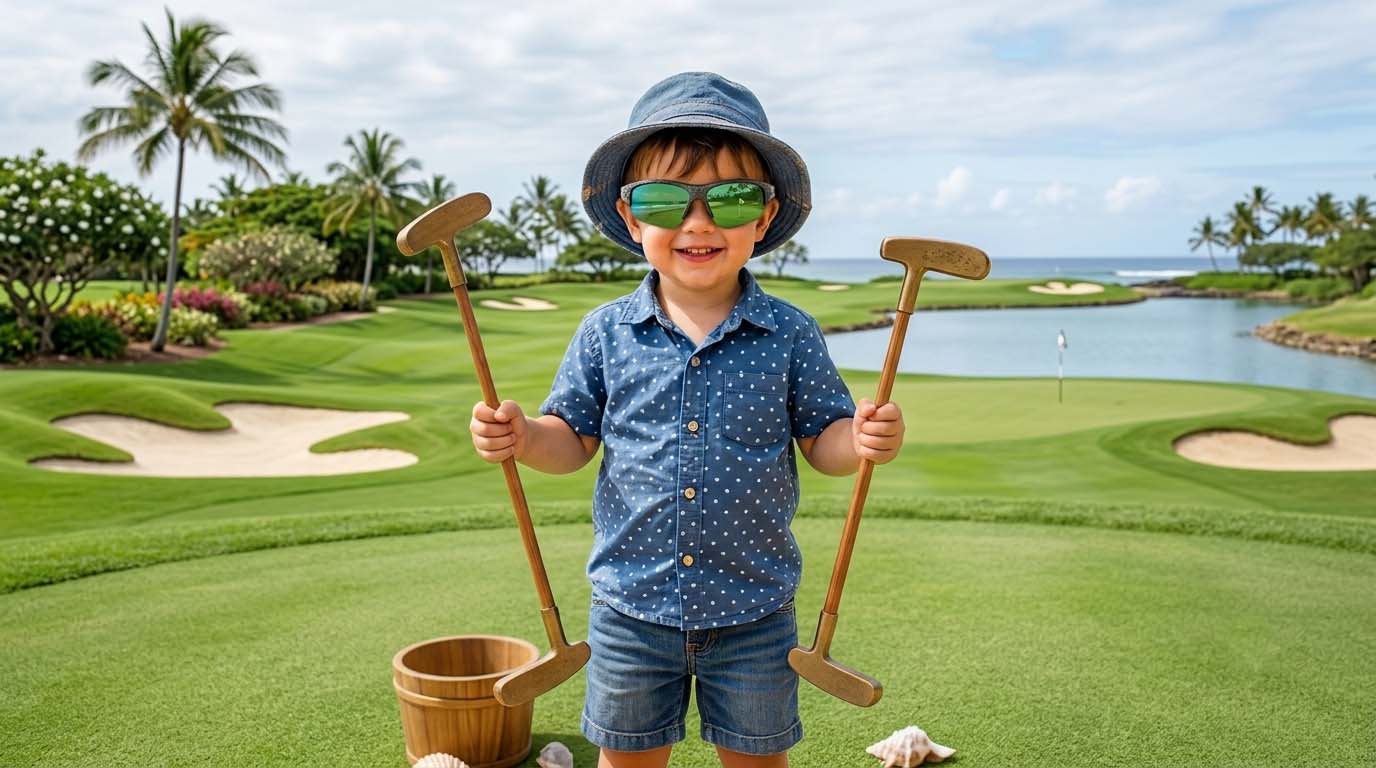
Yes, babies can wear sunglasses every day when the sun is out. The key is making sure the sunglasses have proper UV protection, fit well, and are comfortable. Daily use does not harm a baby’s eye development or vision as long as the lenses are clear and free of distortion.
This answer directly addresses the safety concern most parents have: whether daily wear could cause problems. It does not. The real question is when daily wear is truly needed and when you can rely on other forms of sun protection.
How Does Daily Sunglass Wear Affect Your Baby’s Eyes?
Sunglasses work by blocking ultraviolet (UV) rays. A baby’s eyes are more sensitive to UV light than adult eyes because their lenses are still developing and cannot filter UV rays as effectively. Wearing sunglasses every day when outdoors prevents this UV damage from accumulating over time.
There is no evidence that daily sunglass use slows down a baby’s ability to see clearly or learn to track objects. In fact, reducing glare helps babies see better outdoors, which supports visual development.
The only risk comes from poor-quality lenses that distort vision or have scratches. If the lenses are clear, fit properly, and block 100% of UVA and UVB rays, daily use is completely safe.
When Are Daily Sunglasses Essential for Babies?
Sunglasses are most important during specific times and places. The sun’s UV rays are strongest between 10 a.m. and 4 p.m. If your baby is outside during these hours, wearing sunglasses every day in that window makes sense. You should also prioritize daily wear in high-reflection environments:
- Snow – Snow reflects up to 80% of UV rays, which can cause a painful sunburn on the eyes called photokeratitis.
- Sand and water – These surfaces also reflect UV rays, increasing exposure.
- High altitude – UV levels increase about 10% for every 1,000 feet above sea level.
- Near the equator – UV levels are higher year-round.
On days with a UV index of 3 or higher, daily sunglass wear is a good habit. You can check the UV index on a weather app before heading out. This helps you decide when sunglasses are necessary versus when a hat or shade is enough.
The Difference Between Protection and Overprotection
Sunglasses are a tool, not a 24/7 requirement. Overusing them when they are not needed can create problems. For example, if your baby wears sunglasses during a quick trip to the mailbox on a cloudy day, they may start pulling at them because they feel unnecessary. This can make them less willing to wear them when you truly need them, like at the beach or park.
Here is a simple way to think about it:
- Essential daily wear – Sunny days with UV index 3 or higher, outdoor time longer than 15 minutes, or reflective surfaces present.
- Optional – Overcast days with low UV index, very brief outdoor trips (under 5 minutes), or when your baby is in full shade.
- Not needed – Indoors, in a stroller with a full canopy, or during nighttime walks.
Watch your baby’s cues. If they are squinting, rubbing their eyes, or turning away from the sun, they need sunglasses or shade. If they are relaxed and not bothered by the light, you can skip the sunglasses for that moment.
Practical Tips for Daily Sunglass Habits
Making golf sunglasses part of your daily routine requires a little planning. Here are steps that work:
- Have two pairs – Keep one in the diaper bag and one in the car or stroller. This way you always have a backup if one gets lost or dirty.
- Use a retainer strap – Soft silicone or elastic straps keep the sunglasses on your baby’s face and prevent them from falling off. Most babies cannot pull them off easily.
- Clean lenses daily – Use a microfiber cloth to wipe off smudges, dirt, and sunscreen. Dirty lenses reduce visibility and may cause your baby to fuss.
- Check for scratches – Scratched lenses can distort vision. If you see scratches, replace the sunglasses immediately.
- Introduce gradually – Start with short periods indoors or during calm outdoor moments. Let your baby get used to the feeling before you need them for a long trip.
Also, avoid letting your baby chew on the straps or frame. Sunglasses are not toys. If your baby chews on them, the straps can become frayed, and the frame may break. Supervise daily wear to keep the glasses safe and effective.
Myth or Reality | Will Daily Sunglasses Slow Down Eye Development?
Myth. This is one of the most common worries parents have. The reality is that babies need a variety of light conditions to develop healthy vision. Sunglasses do not block all light – they only block harmful UV rays and reduce glare.
Your baby still sees colors, shapes, movement, and brightness through the lenses. In fact, reducing glare can improve their ability to focus and track objects outdoors.
The only time sunglass use could affect development is if the lenses are so dark that they prevent your baby from seeing clearly in normal light. This does not happen with quality, 100% UV-blocking lenses. Always choose lenses that are labeled for everyday use, not novelty or costume sunglasses.
Critical Consideration | Lens Quality and Daily Wear Debris
Cheap novelty sunglasses are dangerous for daily use. They often have:
- Inconsistent tint – Some parts of the lens are darker than others, which can cause eye strain and headaches.
- Bubbles or distortions – These make objects look wavy or blurry, confusing your baby’s vision.
- UV fade – The UV protection wears off over time, even if the lens looks dark. Your baby thinks they are protected, but they are not.
For daily wear, choose sunglasses with polycarbonate lenses. Polycarbonate is impact-resistant, shatter-proof, and blocks 100% of UV rays naturally without needing a coating. It is the same material used in safety glasses. Also look for an FDA impact resistance rating. This ensures the lenses can handle daily drops and bumps without breaking.
Daily wear means more exposure to dirt, dust, and debris. Clean the lenses each time your baby wears them.
A quick wipe with a microfiber cloth removes particles that could scratch the lens over time. If your baby’s sunglasses get sand or grit on them, rinse them with water first before wiping. This prevents scratching.
Frequently Asked Questions
How should I clean my baby’s sunglasses after daily use?
Use a microfiber cloth specifically designed for lenses. Do not use paper towels, tissues, or your shirt, as these can scratch the lens. If the lenses are dirty with sunscreen or food, rinse them with lukewarm water first, then wipe dry.
Avoid harsh chemicals like alcohol or window cleaner, which can damage the lens coating.
Can babies wear sunglasses while sleeping in the stroller or car seat?
No. Sunglasses are for waking hours only. A sleeping baby should have their eyes uncovered to rest naturally. The stroller canopy or car window shade provides enough darkness for sleep. Sunglasses can also be a choking hazard if they slide down during sleep.
Should I use an anti-fog spray for daily wear in cold weather?
Yes, but only if the spray is safe for polycarbonate lenses. Some anti-fog sprays contain chemicals that can damage the lens coating.
Look for sprays labeled for use on prescription or polycarbonate lenses. Alternatively, you can wipe the lenses with a small amount of baby shampoo diluted in water, then rinse. This creates a thin film that prevents fogging.
What if my baby’s sunglasses have a prescription – does daily wear affect the prescription?
No, daily wear does not change the prescription. A prescribed lens is made to correct your baby’s specific vision needs. Wearing them every day as prescribed is actually necessary for proper vision development. Just ensure the frame fits well and the lenses are clean.
Is it safe to let my baby chew on their sunglasses straps during daily wear?
It is not recommended. Straps can become frayed, and small pieces can break off and become a choking hazard. Also, the chemicals used in silicone or plastic straps may not be food-safe. Redirect your baby to a teething toy instead. If they chew on the frame, remove the sunglasses and try again later.