
I spent two years thinking I just wasn’t good at reading greens. I’d stand over a 10-footer, see a gentle left-to-right slide, hit my line, and watch the ball roll dead straight past the hole. It wasn’t my stroke. It was my sunglasses.
Standard polarized lenses do something weird to grass. They strip away the subtle shadows and color variations that tell you which way the grain is running and how much slope is really there.
Everything goes flat. Looking at a green with a generic pair of polarized shades is like turning your TV contrast down to zero and trying to watch a nature documentary. You see shapes. You miss the details.
That frustration is exactly why I started testing purpose-built **golf sunglasses for reading greens**. I wanted a lens that made the terrain look alive again. Over the last few months, I put two strong contenders head-to-head.
One of them blew my expectations out of the water for pure putting reads. The other turned out to be the better choice for a completely different reason. Here is exactly what I found.
What Makes a Lens Good for Reading Greens?
Before I get into which pair won and why, you need to understand the one thing that separates a green-reading lens from everything else. Because once you know what you’re looking for, the right choice becomes obvious.
The Color War: Rose vs. Green vs. Grey
Lens color isn’t cosmetic. It changes what your eye sees. Grey lenses are the worst offender for putting. They reduce overall brightness evenly across the spectrum, which means the green itself looks more uniform. You lose the subtle color shifts between short grass and the grain lying one way versus the other. Grey is great for a bright beach day. It’s terrible for finding a two-degree tilt.
Rose or copper lenses improve contrast pretty well. They brighten shadows and make reds and greens pop. For golf, they’re a solid middle ground for general play. But for pure green reading, green-tuned lenses do something no other color can match. They specifically amplify the wavelengths of light that grass reflects most.
As a result, every small undulation in the surface becomes visible. You see where the ground rises and falls because the grass looks measurably different in color and brightness in those spots.
That is the science. The Tifosi Vero Golf uses a lens built on exactly that principle. The Electric Visual Tech One XL uses a different kind of lens, designed more to block harmful blue light than to enhance contrast. It’s a great lens for different reasons. But for the specific job of reading greens, the approach matters.
Fit is Non-Negotiable (The Swing Test)
You can have the best lens in the world. If the frame slides down your nose on your backswing, you’re going to yank the putt left. I have a sweaty forehead, so this is personal for me. Grippy nose pads aren’t a luxury. They are a requirement.
The Tifosi uses hydrophilic rubber that becomes stickier when wet. I noticed this around hole four during a mid-summer round when my face started glistening. The glasses didn’t budge.
The Electric Visual uses a large wrap frame that hugs your head more securely by design. Both stay put, but they do it in different ways that matter for different face shapes.
Best Golf Sunglasses For Reading Greens That Help You Read Greens
These are the two I tested back-to-back. I ranked them based on how well they actually helped me see the green surface, not how stylish they looked or how many features the box listed.

The Top Golf Sunglasses for Green Reading (Full Reviews)
Let me walk you through exactly how each pair performed on the course and where they fell short.
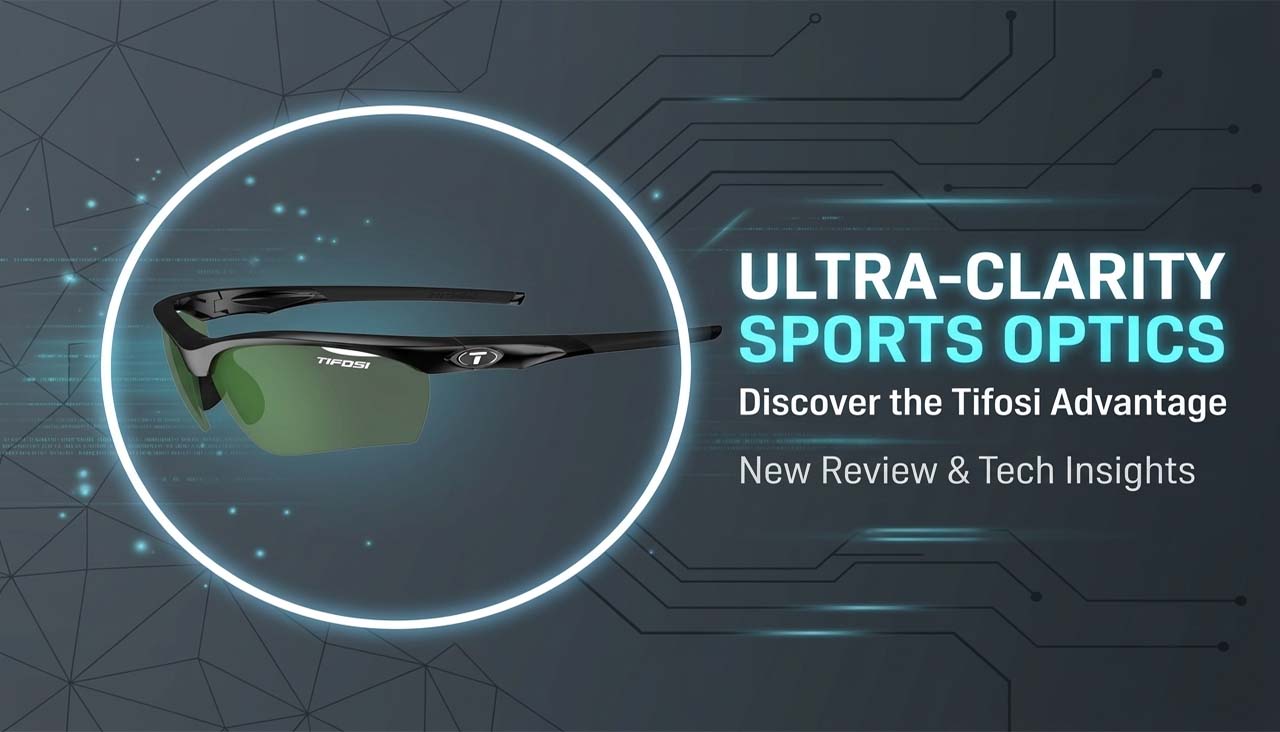
1. Tifosi Optics Vero Golf
**Key Specs I Tested:**
– Lens type: Enliven Green Polycarbonate
– Weight: 26 grams
– Frame: Grilamid TR-90
– Fit: Small to Medium
– Grip: Hydrophilic rubber nose pads and ear pads
– Protection: 100% UVA/UVB
This is the pair I put on during a practice round at my local muni, and by the third green, I knew something was different. The Enliven Green lens does exactly what the description says.
It tunes the visible spectrum to make green colors stand out from each other. It sounds like marketing speak until you see a green that looked flat through your old glasses suddenly turn into a collection of distinct high and low points.
I remember standing over a 15-footer on the 7th hole. There was a subtle ridge I had never noticed before. Through the Tifosi, that ridge looked like a dark line running diagonally across the surface.
I aimed three inches above it, and the ball broke right along that contour. It dropped in the side door. That moment sold me on the lens technology.
The glasses are extremely lightweight. At 26 grams, I forgot I was wearing them halfway through the front nine. The Grilamid TR-90 frame is flexible enough not to feel brittle but stays rigid enough to keep the lens properly aligned.
Now the honesty part. The fit is small to medium. That is not a minor detail. I have a slightly larger head, and these fit me fine, but just barely. If you have a wide face or a big head, these will feel snug in an uncomfortable way.
By the 15th hole, the temples pressed against my temples a little more than I wanted. Also, the vented shield design is nice for airflow, but it doesn’t block wind as completely as a full wrap frame. On breezy days, my eyes watered a little more than I’d like.
For the specific job of reading greens, this is the better tool. It turns grass into a topographical map. No other lens in this test does that as directly.
2. Electric Visual – Tech One XL

<a href=”https://www.amazon.com/dp/B07CLGLB5N?tag=golfdeft24-20″ rel=”nofollow” target=”_blank” style=”background-color: #2a9d72; color:
The Electric Tech One XL Sport Sunglasses are designed for people who want a combination of sporty protection, comfort, and a larger fit.
Their wraparound design provides broad coverage around the eyes, making them suitable for outdoor activities such as golf, cycling, fishing, hiking, running, and other sports.
Key Features
- Large XL Fit: The Tech One XL is designed for larger faces, with a frame measuring approximately 145mm wide and 48mm high.
- Lightweight Construction: The frame weighs around 31g, helping make the sunglasses comfortable for extended outdoor use.
- Impact-Resistant Frame: The molded bio-resin/Grilamid construction is designed to provide a balance of low weight and durability.
- Melanin-Infused Lenses: The polycarbonate lenses provide 100% UV protection and protection against up to 98% of harmful HEV/blue light.
- Polarized Pro Option: The polarized version is designed to reduce glare and includes hydrophobic, oleophobic, and anti-reflective coatings.
- Secure Fit: Performance-grip nose pads and temple tips help keep the sunglasses stable during active movement.
- 8-Base Wraparound Lens: This design provides additional peripheral coverage while maintaining a sporty appearance.
- Made in Italy: The sunglasses are manufactured in Italy and come with a lifetime warranty.
- Microfiber Bag Included: A Repreve microfiber bag made from recycled plastics is included for storage and cleaning.
Overall, the Tech One XL Sport is a strong option for outdoor users who prefer lightweight, larger-frame sunglasses with extensive eye coverage and performance-focused lens technology.
Conclusion
The right golf sunglasses can make reading greens easier by improving contrast and helping golfers spot subtle slopes, breaks, and grass patterns.
The Tifosi Optics Vero Golf is the best choice for green reading because its lens technology enhances contrast and highlights important details.
The Electric Visual Tech One XL is another excellent option for golfers who prefer a larger fit, wraparound coverage, and comfortable protection throughout the round. Ultimately, your choice depends on your specific needs.