
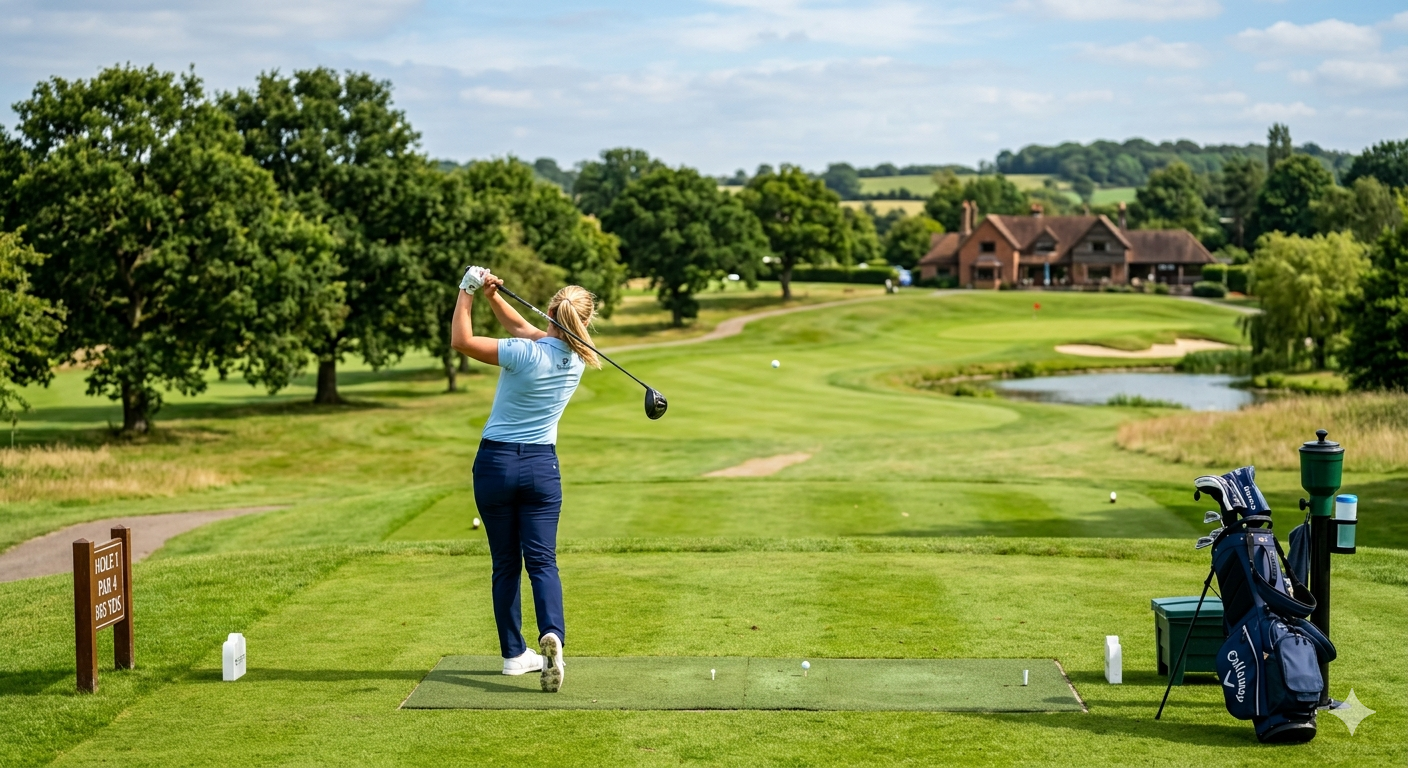
If you’ve ever stood in a dark parking lot waiting for the gates to open, you know the quiet thrill of being first out. I’ve done it more times than I can count, and I’ve learned that the answer to “what’s usually the earliest tee time at a golf course” isn’t a single number.
It’s a range shaped by sunrise, maintenance, and the course’s own rules. Generally, expect the first slot between 6:00 AM and 7:30 AM. But the real story, and how you actually get that spot, takes a few more paragraphs.
Explanation About What’s Usually the Earliest Tee Time at a Golf Course
For most public golf courses, the first tee time lands between 30 minutes before sunrise and 15 minutes after sunrise. That window shifts dramatically with the seasons.
In summer, a course in the northern U.S. might start at 5:30 AM. In winter, the same course may not open until 8:00 AM. Here’s a rough breakdown by season for a mid‑latitude course (around 40° north):
- Summer (June): Sunrise near 5:30 AM. First tee time is often 5:45–6:00 AM.
- Spring/Fall: Sunrise around 6:30–7:00 AM. First slot roughly 6:45–7:15 AM.
- Winter: Sunrise near 7:30 AM. First tee time typically 7:30–8:00 AM.
Private clubs and high‑end resorts sometimes push the first time later to allow for course setup, staff arrival, and a slower morning pace. Municipal courses, on the other hand, often lean earlier because demand is higher and they want to squeeze in more rounds.
Factors That Determine the First Tee Time
No two courses set their first slot the same way. Here are the biggest variables I’ve seen in years of chasing dawn rounds.
Sunrise and Daylight Hours
Most courses literally cannot start before there’s enough light to see the ball. Frost delays push everything later. In spring and fall, a course may have two different first tee times, one for weekdays and one for weekends, because they staff differently.
Course Type and Policies
- Public municipals: Often the earliest, sometimes 30 minutes before sunrise if the course has lights on the first hole. But many munis wait until the pro shop opens.
- Resort courses: Tend to start later (7:30–8:30 AM) because guests aren’t awake yet, and the course wants to manage pace.
- Private clubs: First tee time can be 7:00 AM or earlier, but it’s often reserved for members only for the first 30–60 minutes.
Maintenance and Staffing
The maintenance crew needs time to mow greens, move tee markers, and fill divots before play begins. If the course has a single groundskeeper, the first slot will be later. I’ve played at courses where the first group is told to play around the mowers, not ideal.
Booking System and Release Windows
Most courses open tee times 7 to 14 days in advance, often at a specific hour (like midnight or 6:00 AM local). That’s your chance to grab the earliest slot. If you’re not online within minutes of release, you’ll likely miss it.
How to Get the Earliest Tee Time at Your Local Golf Course?
Getting first out isn’t just about being early. You need a plan. Here’s what works.
- Know the booking window. Call the pro shop or check their website. Is it 7 days out? 14? What time does the new window open? Mark your calendar.
- Set an alarm for the release time. If the window opens at midnight, be there. Online systems release all slots at once. The first group gets the first slot.
- Check for cancellations the night before. Many courses charge a cancellation fee if you don’t call in 24 hours ahead. People forget. Late evening, call or refresh the booking page; sometimes a first‑time slot opens up.
- Walk up at dawn. If you live near the course, driving past at 5:30 AM and asking the starter can work. Walk‑ins sometimes fill slots that weren’t booked.
- Ask about member holds. Some courses reserve the first 30 minutes for members or leagues. If you’re a public player, you may need to wait until after that window.
Early Tee Time Myths vs. Reality
I’ve heard all kinds of stories about first‑tee‑time lore. Here’s what’s true and what’s not.
Myth: The first tee time is always at sunrise.
Reality: Many courses push it 15–30 minutes after sunrise to let staff get ready.
Myth: Only private courses have early tee times.
Reality: Public courses often have earlier first slots than private ones, because they need more rounds per day.
Myth: The Masters first tee time is the same as my local course.
Reality: That’s a ceremonial tradition. Augusta National’s actual first tee time is later in the morning.
Pace of Play Rules You Should Know for an Early Round
Playing early comes with its own rhythm. Since the sun is low and the dew is heavy, pace can be slower or faster depending on your group. Two rules that come up often are the “70/30 rule” and “90% rule.” They’re not universal, but they matter when you’re the first group.
What’s the 70/30 Rule in Golf?
Some courses use the 70/30 rule to manage the time between groups. The idea is that the total round time should be 70% playing and 30% waiting/strolling. When you’re first out, you don’t wait at all, so the expectation is you’ll play fast. If you’re slower than 70/30, the marshals will notice.
What is the 90% Rule in Golf?
The 90% rule usually applies to handicap adjustments or playing from forward tees. In early morning conditions, wet grass, slower greens, and your normal golf club distances may be off. The 90% rule is a mental trick: take 90% of your normal swing or golf club selection. It helps account for the dew and cooler air that make the ball fly shorter.
How to Actually Get the Earliest Tee Time?
Most courses release tee sheets online at a set hour, and the first slot fills fast, call the pro shop directly if it shows unavailable, since early slots are sometimes held back for members. Booking 5–7 days ahead is the safest way to lock in that first tee time.
How Early Should You Get to a Golf Course Before Your Tee Time?
If you have the first tee time, aim to be there at least 20 minutes early. The pro shop may not open until 15 minutes before, but you’ll want time to check in, warm up, and chat with the starter. Arriving earlier than that means standing in a dark parking lot, which I’ve done, but it’s not fun.
Frequently Asked Questions
Can I get the earliest tee time as a single player?
Yes, but it’s harder. Many online booking systems require at least two players. If you’re a single, call the pro shop and ask if they can pair you with another early single. Some golf courses hold a “first-come, first-served” walk‑up slot for singles.
Do resort or hotel courses have different earliest times?
Yes. Resort courses often start later—7:30 to 8:30 AM—because they want guests to have a relaxed morning. Some offer “breakfast included” packages that push groups back. If you’re staying at the resort, ask the concierge about the first slot.
What is the earliest tee time at a par‑3 or executive course?
Par‑3 courses usually start later because demand is lower and many are attached to driving ranges. You might see first tee times around 8:00 or 9:00 AM. But there are exceptions; some short courses open at sunrise if they’re standalone.
How does daylight saving time affect the first tee time?
When clocks spring forward, sunrise jumps an hour later by the clock. The course will likely push the first tee time accordingly, maybe from 6:00 AM to 7:00 AM. In the fall, the opposite happens. Courses adjust gradually. If you’re used to a 6:00 AM start in summer, don’t expect that in January.
Is there a difference between “first tee time” and “twilight start”?
Completely different. “First tee time” is the earliest slot of the day. “Twilight start” is a discounted rate for playing late in the afternoon or evening, usually a few hours before sunset. Twilight rates don’t apply to early rounds. Some golf courses also offer “early bird” rates, but that’s not the same as twilight.