
You know that moment. You step into a deep bunker on a bright day, the sun high, the sand white and clean. You squat down to read the lie and, bam, a flash of light hits you so hard you can’t see the ball, let alone the grain or the slope.
It’s not just annoying. It’s the kind of glare that makes you guess instead of know. And guessing in a bunker usually means leaving it in the sand.
If you’ve searched for golf sunglasses for deep bunker glare, you’ve likely hit the same wall I did. Every forum post warns you away from polarized lenses because they can flatten greens and hide the texture in the sand. But the glare is real, and you need something that kills it. So what do you actually buy?
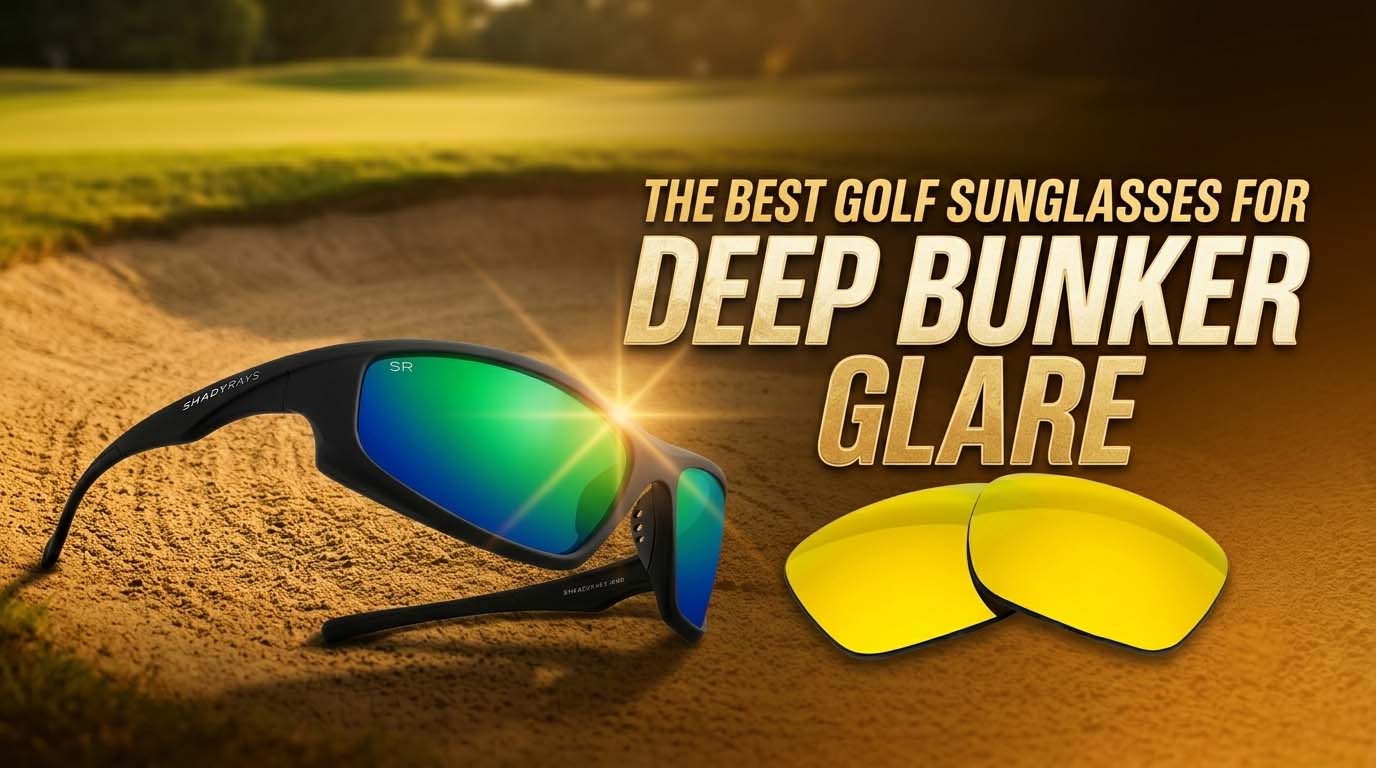
Here’s the direct answer: For deep bunker glare specifically, the best solution is a non-polarized lens with a very low VLT — something like the Apex Lenses for Jondo Dormie, which sit at 10% light transmission.
They cut the brightness without messing with your depth perception or hiding the grain. If you need one pair that does everything, bunkers, water hazards, driving — the Shady Rays X Series is a solid polarized alternative, but you’ll trade some sand-reading precision for versatility and a great warranty.
I spent weeks testing both approaches to figure out which one actually works when the sand is blinding. Here’s what I found.

The Science of Sand: Why Deep Bunker Glare Is Its Own Beast
Before I get into the products, I need to explain why sand glare is different from water glare or fairway glare. Most people, myself included until recently, think glare is glare. Point some sunglasses at a bright surface, and it goes away. But sand doesn’t reflect light the way water does.
Water creates what’s called specular reflection — light hits a smooth surface and bounces off at a predictable angle. That’s why polarized lenses work so well on the water. They’re designed to cut horizontal light waves, and water’s reflection is almost entirely horizontal.
Sand is the opposite. A bunker floor is made of thousands of tiny granules, each one catching light at a different angle. The reflection is multidirectional. It’s not a single bright spot you can block with polarization. It’s a diffuse brightness that washes out the entire surface.
That’s the key distinction. Polarization works on the flash off a pond. It doesn’t do much for the general white glow of a deep bunker on a sunny afternoon. What you actually need is a lens that simply reduces total light — a very low VLT — without altering how you see texture and depth.
Polarization vs. Low VLT in the Sand
Here’s the trade-off I learned the hard way.
Polarized lenses kill horizontal glare beautifully. I took the Shady Rays out near a water hazard, and they were fantastic, no flash, no squinting. But in the bunker, something felt off. The sand looked flatter, almost featureless.
I couldn’t tell if the ball was sitting up on the surface or half-buried. The grain — which tells you how hard or soft the sand is, seemed to vanish. That’s the “waxy” look people complain about on the greens, but in the bunker, it’s worse because you’re already in a tricky spot.
Low VLT lenses — specifically non-polarized ones with a dark tint — reduce overall brightness without altering the way your eyes read textures and contours. The Apex Lenses at 10% VLT make the sand look grey rather than white, but you still see every grain, every ridge, every subtle slope.
That matters when you’re trying to decide between a standard explosion shot and a more delicate pick.
The turning point for me was realizing that for golf sunglasses for deep bunker glare, the darkness of the lens matters more than whether it’s polarized. You’re fighting total brightness, not a directional flash.
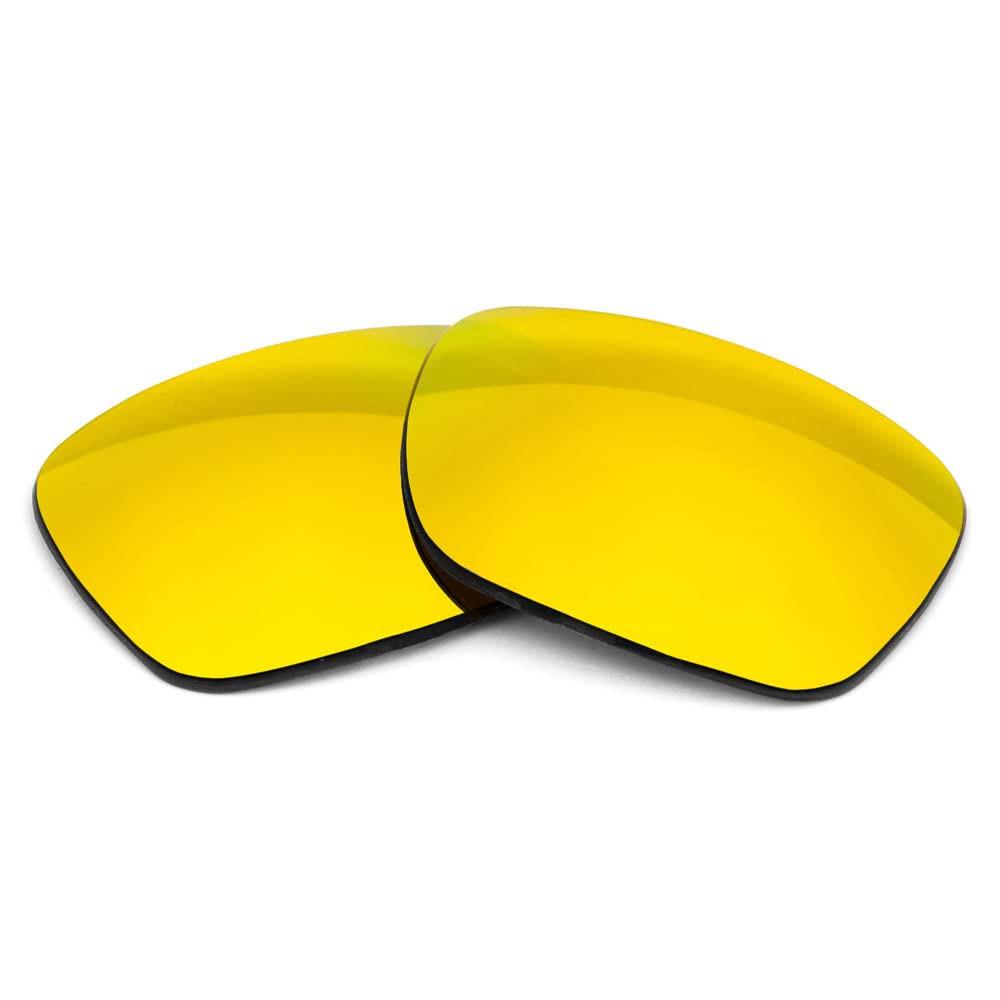
1. Apex Lenses Replacement Lenses for Jondo Dormie Sunglasses
- VLT: 10%
- Base Color: Cool Grey
- Polarization: None (intentional)
- Thickness: 1.5mm (50% thicker than most replacement lenses)
- Safety Rating: ANSI Z87.1 impact-resistant
- Frame Compatibility: Jondo Dormie only (replacement lenses)
- UV Protection: Blocks UVA, UVB, UVC
Why These Won in the Sand
The first time I swapped these into my Dormie frames and walked out to the practice bunker, I noticed it immediately. The white sand didn’t hurt to look at. It wasn’t dull or flat, either — it was just darker, like someone turned down the brightness knob without affecting the contrast.
The grain was still there. The subtle lip of a buried lie was clearly visible. I could see the slight ridge where the sand had been raked earlier that morning.
The 10% VLT is the star here. Most dark golf lenses sit around 15-20%. At 10%, you’re getting serious light reduction. On a cloudless day at noon, that’s exactly what you need in a deep, white bunker.
The cool grey base color also helped — it doesn’t shift greens or make the fairway look weird when you walk out of the sand and head to the green. I tested this on a par 3 where the bunker feeds directly onto the putting surface, and the transition felt natural.
The non-polarized design is the whole point. I know that sounds backwards — we’re trained to think polarization is better for glare. But in the bunker, polarization removes the visual cues you need. The Apex lenses leave those cues intact while killing the overall brightness. That’s the right approach for sand.
Build quality surprised me too. At 1.5mm thick, these feel substantial. I’ve popped cheaper replacement lenses out of frames just from cleaning them. These have some heft. The ANSI Z87.1 rating means they’re tested for impact — useful if you catch a flier out of the bunker or drop your sunglasses on the concrete path. The TruFit technology claimed a precise fit, and in my Dormie frames, they clicked in without any gap or wiggle.
The Honest Downsides
First, these are replacement lenses, not a full pair of sunglasses. You need Jondo Dormie frames to use them. If you don’t already own those, factor in the cost of buying the frames separately. That’s an extra step and an extra expense.
Second, they’re non-polarized. That’s a feature in the bunker, but if you play a course with a lot of water hazards or you want one pair of sunglasses for driving and golfing, you’ll miss polarization. On a bright day near a pond, I still got some reflective flash off the water surface. The Apex lenses manage it better than a standard non-polarized tint because they’re so dark, but they don’t eliminate it the way a polarized lens does.
Third, they’re new as of late 2025. There’s no long-term track record or community feedback yet. I can tell you how they performed over several weeks of testing, but I can’t tell you how they’ll hold up after two seasons. That’s a caveat worth keeping in mind.
Who this is for: The golfer who plays on fine, white-sand courses and wants to see every detail of the lie without squinting. If you’re a serious player who treats bunker play as a skill rather than a penalty, these are the better choice.
2. Shady Rays X Series | Lightweight Sport Sunglasses with Polarized Lens
- Lens Type: Polarized
- UV Protection: 100% UVA/UVB
- Frame Design: Lightweight sport frame for high-speed activity
- Coatings: Shatter-resistant, anti-scratch
- Warranty: Lost & broken protection — up to 2 replacements within 24 months
- Best Use: All-around active lifestyle (golf, driving, beach, hiking)
Built for Action, Not Just Optics
The Shady Rays X Series is a different animal. Where the Apex lenses are a surgical tool for a specific problem, the Shady Rays are a jack-of-all-trades designed to survive real life. The sport frame is light — you barely notice it on your face — and it grips well. During a bunker explosion shot where you’re generating speed and torque, these stayed put. No slipping, no bouncing. That matters more than you’d think.
The polarization is effective on water. I played a round where four bunkers were clustered around a pond, and the Shady Rays handled the water glare from the hazard without issue. The anti-scratch coating also proved useful — bunker sand is abrasive, and I’ve scratched cheaper lenses just from wiping them with a shirt. After several rounds, these still looked clean.
The warranty is the headline feature. Lost or broken protection with up to two replacements within 24 months is legit for an active golfer. If you’re the type who drops sunglasses in the parking lot, leaves them on the cart, or steps on them changing shoes, this warranty removes the anxiety. I didn’t need to use it during testing, but knowing it’s there changes how you treat the product.
The Bunker Trade-Off
Here’s where the Shady Rays fall short for this specific use case. In the bunker, the polarized lens flattens the sand texture. I noticed it most on a fried-egg lie where the ball was half-buried. Through the Shady Rays, the sand around the ball looked uniform — I couldn’t tell how deep the ball was sitting. Through the Apex lenses, I could see the slight depression and the darker ring of compacted sand around the ball. That visual information changes how you set up for the shot.
The 4.0 rating from other users reflects this split. People love the durability and warranty but some note the optical compromise for precision tasks. I’d agree. For general play, these are great. For reading a bunker lie with confidence, they’re not the best tool.
The polarization also affects green reading, as many golfers have noted. Walking from the bunker to the green, I found the putting surface looked slightly waxy — the subtle breaks and undulations were harder to read. It’s not dramatic, but it’s noticeable if you’re used to seeing the grain of the grass.
Who this is for: The golfer who wants one pair of sunglasses for everything — golf, driving, hanging out. If you value durability and warranty coverage over absolute optical precision in the sand, the Shady Rays are a solid choice. They’re the safer all-rounder, not the sand specialist.
Head-to-Head: Apex vs. Shady Rays for the Bunker
| Feature | Apex Lenses (for Jondo Dormie) | Shady Rays X Series |
|---|---|---|
| Glare Type | Total brightness reduction (sand) | Horizontal glare reduction (water/wet) |
| Vision Priority | Depth perception & grain visibility | Contrast & sharpness |
| VLT | 10% (very dark) | Standard polarized (lighter) |
| Durability | ANSI Z87.1, 1.5mm thick | Shatter-resistant, anti-scratch |
| Best For | The sand specialist | The active, all-conditions golfer |
How to Choose: The Decision Framework
I’ve been where you are — reading reviews, going back and forth, wondering if polarization is a dealbreaker for golf. Here’s how I’d sort it out if you’re on the fence.
Choose the Apex Lenses if: You take bunker play seriously. You play on courses with fine, white sand. You’ve noticed that polarized lenses make greens look waxy and you hate that feeling. You either own Jondo Dormie frames or are willing to buy them. You want to see every grain of sand to determine the lie, and you’re okay with having a dedicated golf lens rather than a do-everything pair.
Choose the Shady Rays if: You buy one pair of sunglasses and use them for golf, driving, the beach, and everything else. You value a strong warranty that covers loss and breakage. You’re more concerned about glare from water hazards than glare from sand texture. You prefer a sport frame that stays locked on your face during explosive movements.
The Final Verdict
For the specific problem of golf sunglasses for deep bunker glare, the Apex Lenses for Jondo Dormie are the better choice. The combination of an ultra-low 10% VLT and non-polarized clarity directly solves the brightness issue without creating the new problem of terrain distortion. You see the sand for what it is — every grain, every ridge, every buried lie — just darker and more comfortable to look at.
The Shady Rays X Series are the alternative for the golfer who wants versatility. They’re well-built, backed by an excellent warranty, and handle water glare better than the Apex lenses. But in the bunker, the polarization works against you. You lose the textural detail that separates a good bunker player from a great one.
Frequently Asked Questions
Why are polarized sunglasses not recommended for golf?
Polarized lenses filter horizontal light waves, which can make greens look flat or waxy by hiding subtle undulations and grain. In bunkers, polarization can also mask the texture of the sand, making it harder to read the lie. Many golfers prefer non-polarized lenses with a dark tint for better depth perception.
What VLT is best for bright golf conditions?
For bright sun and reflective sand, a VLT between 10% and 15% works well. The Apex Lenses at 10% are on the darker end, which is ideal for deep bunker glare. For general play in mixed conditions, 15-20% is more versatile. Lower VLT means less light reaches your eyes, which helps in extreme brightness.
Can I use the Apex Lenses on frames other than Jondo Dormie?
No. The Apex Lenses are designed specifically for Jondo Dormie frames using Apex’s TruFit technology. They are replacement lenses, not a standalone pair of sunglasses. You need the Dormie frames to use them. If you don’t own those, you’ll need to purchase the frames separately.
Are Shady Rays X Series good for golf?
They’re good for golf as an all-around sunglass, especially if you value durability, a sport frame, and a replacement warranty. However, the polarized lens can flatten sand texture in bunkers and make greens look slightly waxy. They work best for golfers who want one pair for multiple activities rather than a sand-specific lens.
How thick should golf lenses be for safety?
For impact protection, look for lenses that meet ANSI Z87.1 standards, which test for high-velocity impact resistance. The Apex Lenses are 1.5mm thick — about 50% thicker than many replacement lenses — and carry this rating. Thicker lenses offer more protection against flying debris and accidental drops.
Bottom Line
The lesson I took away from this testing is simple: polarization isn’t always the answer. For water, yes. For driving, absolutely. But for deep bunker glare, what you actually need is darkness without distortion. The Apex Lenses deliver that through a very low VLT and a non-polarized design that preserves the visual information your brain needs to read the sand.
If you’re tired of squinting in bunkers and guessing your lie, the Apex Lenses are worth the extra step of getting the Jondo Dormie frames. If you need one pair to do it all, the Shady Rays will serve you well — just know you’re trading some sand-reading precision for versatility and peace of mind. Either way, you’ll stop that blinding flash and start seeing the sand for what it is.